
Borgo Castello, 13, Gorizia, Friuli-Venezia Giulia
Open now from 09:00 to 19:00
Verified profile

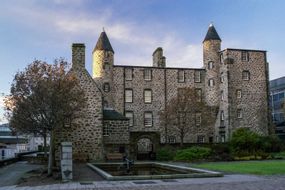
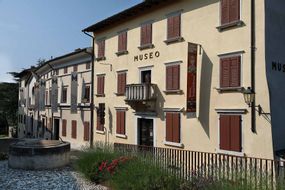
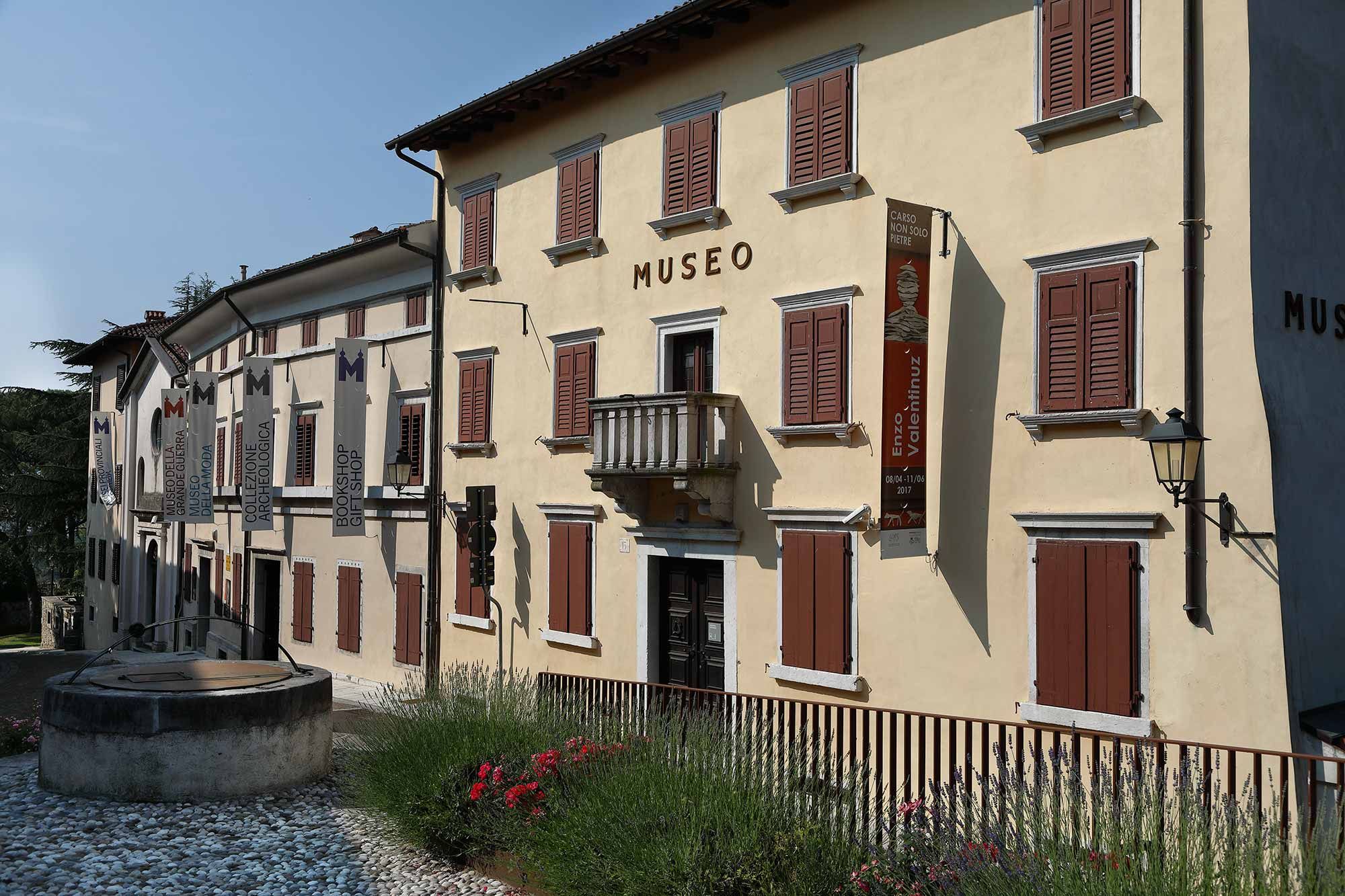
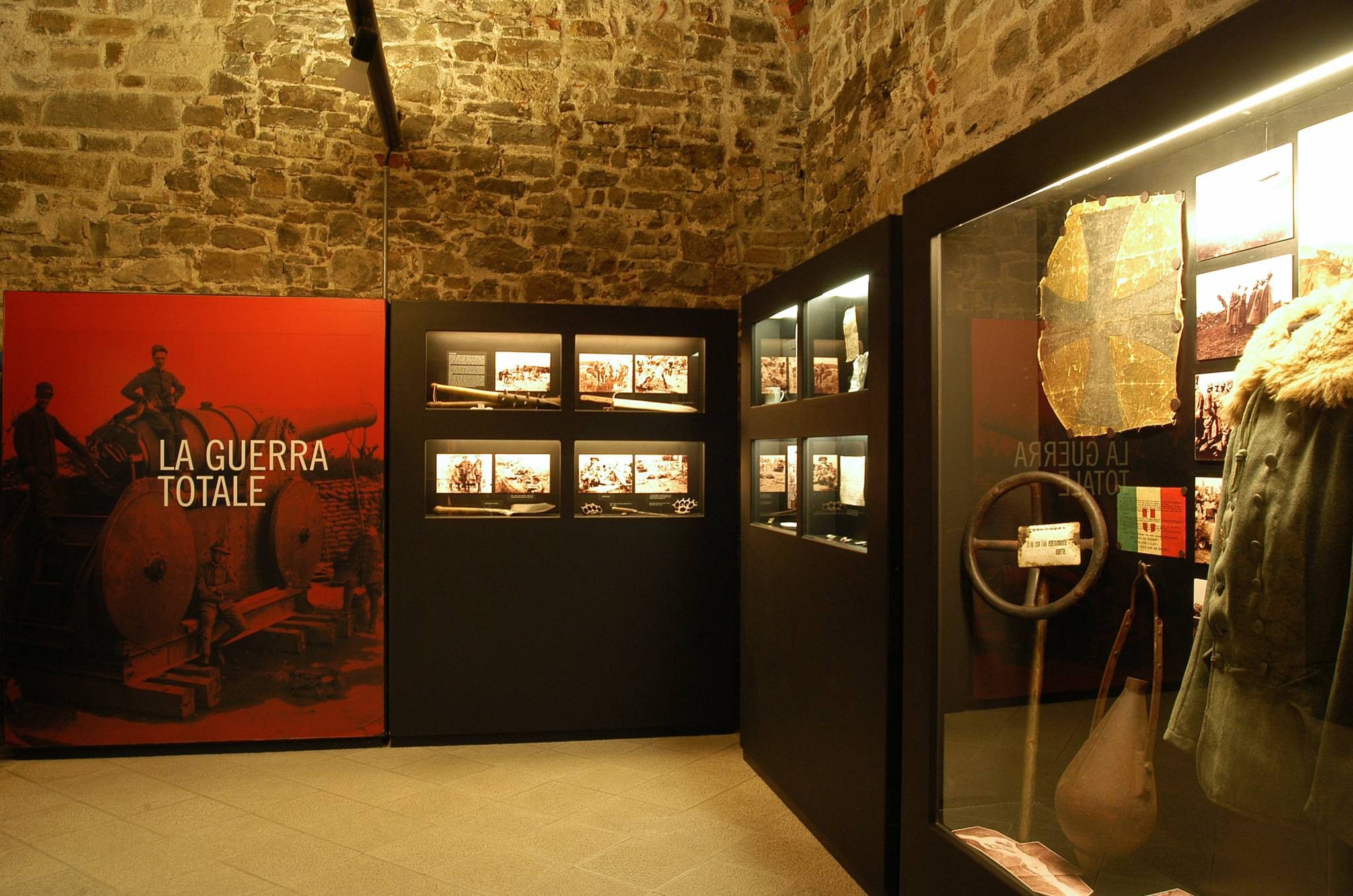
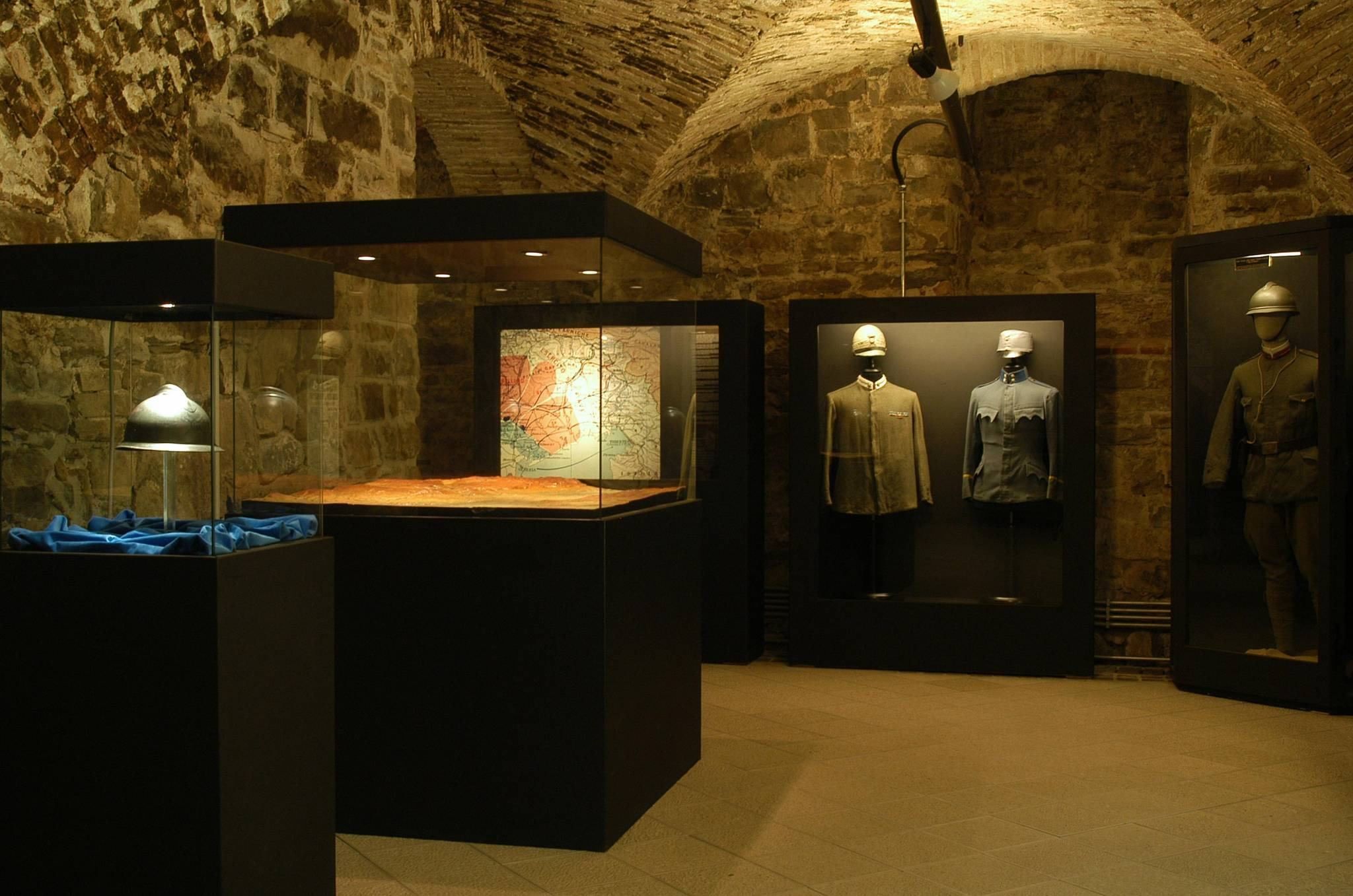
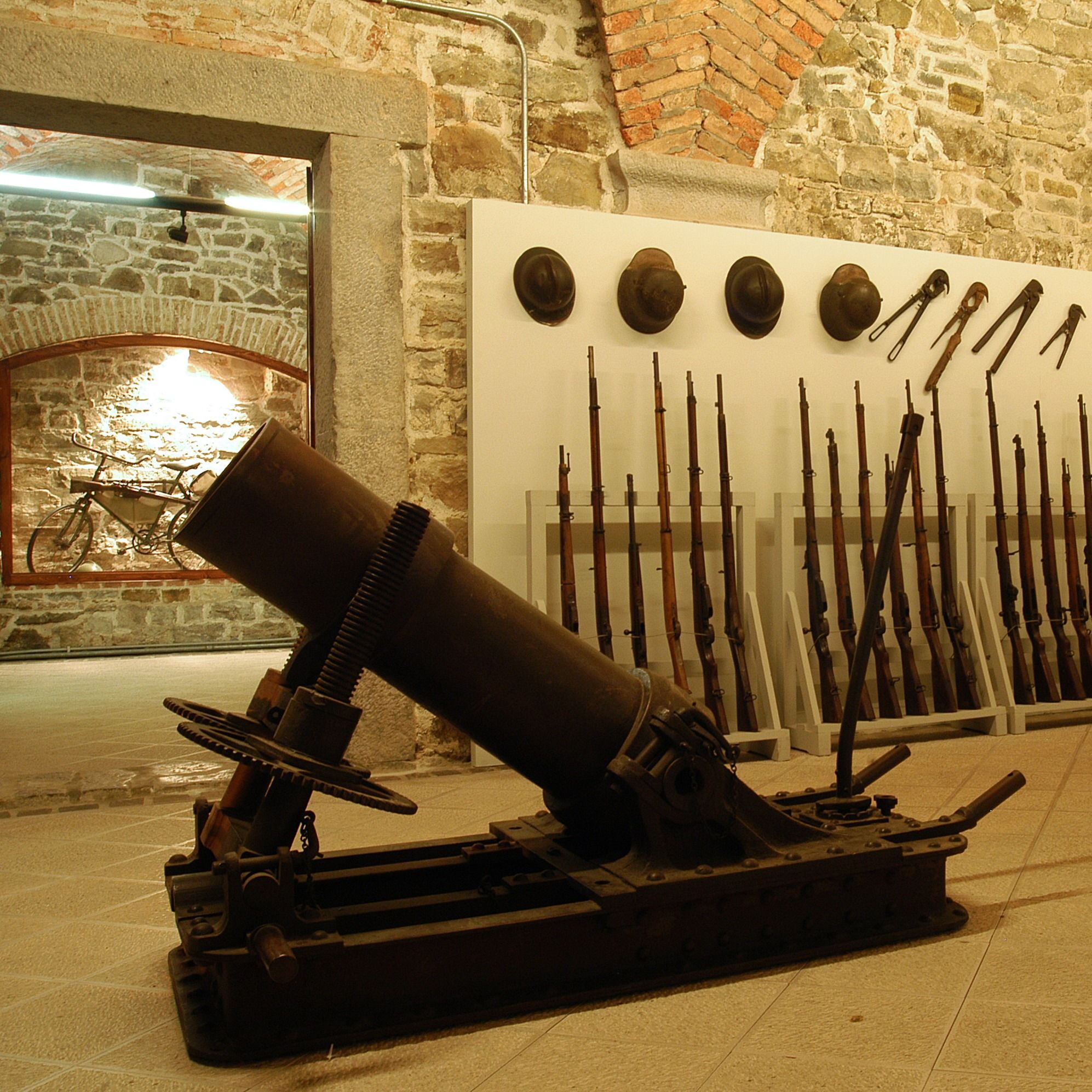
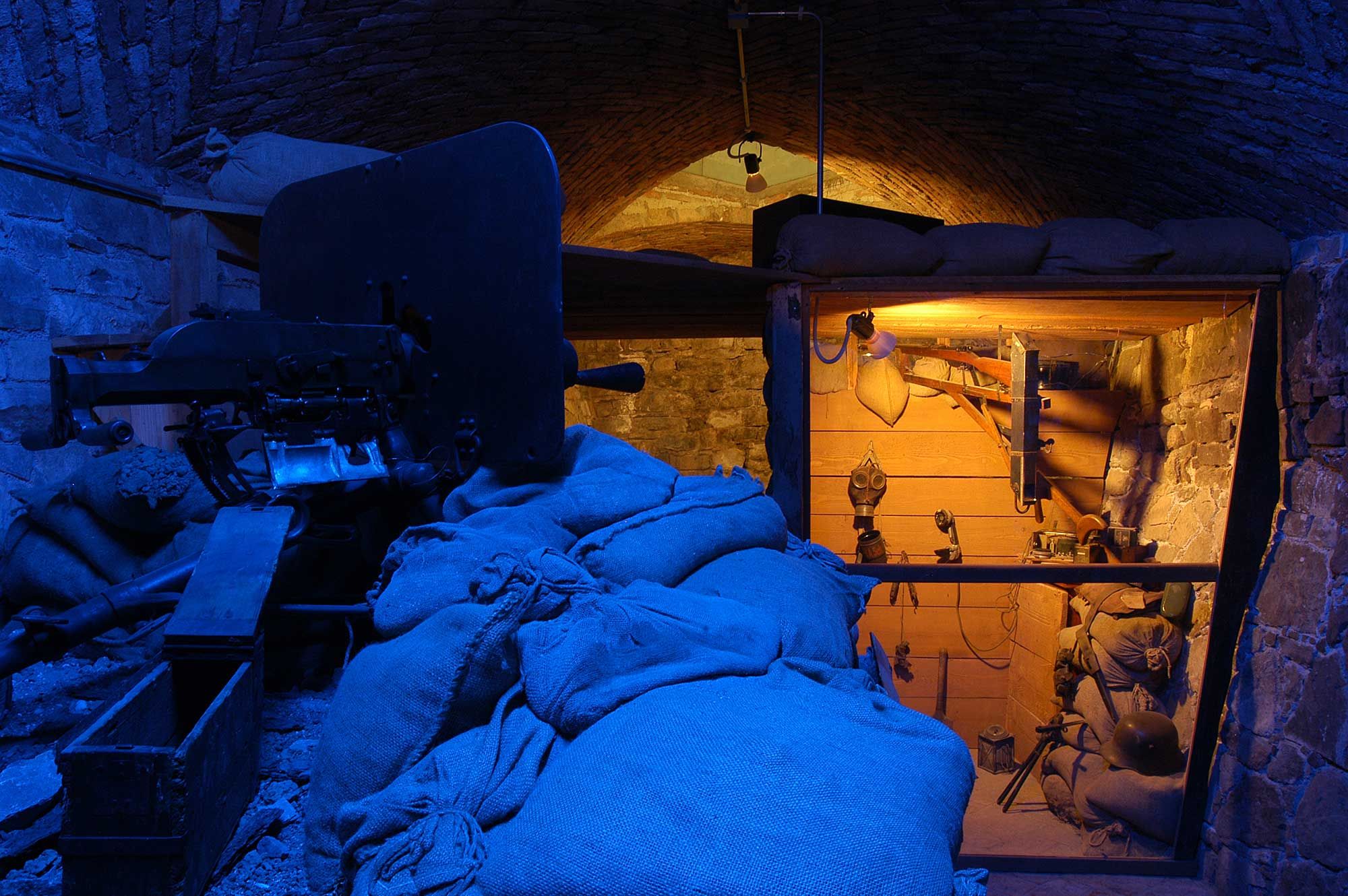
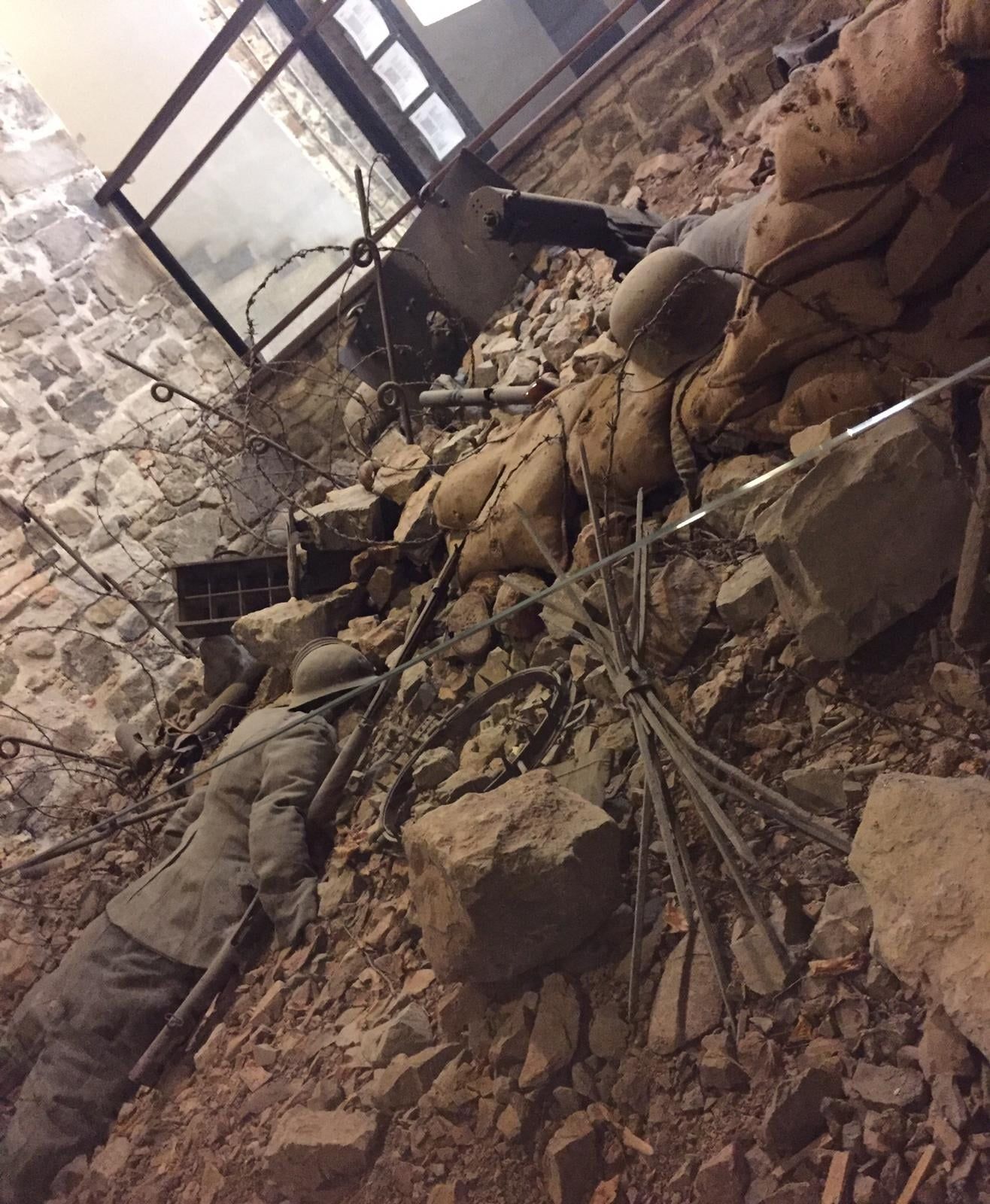
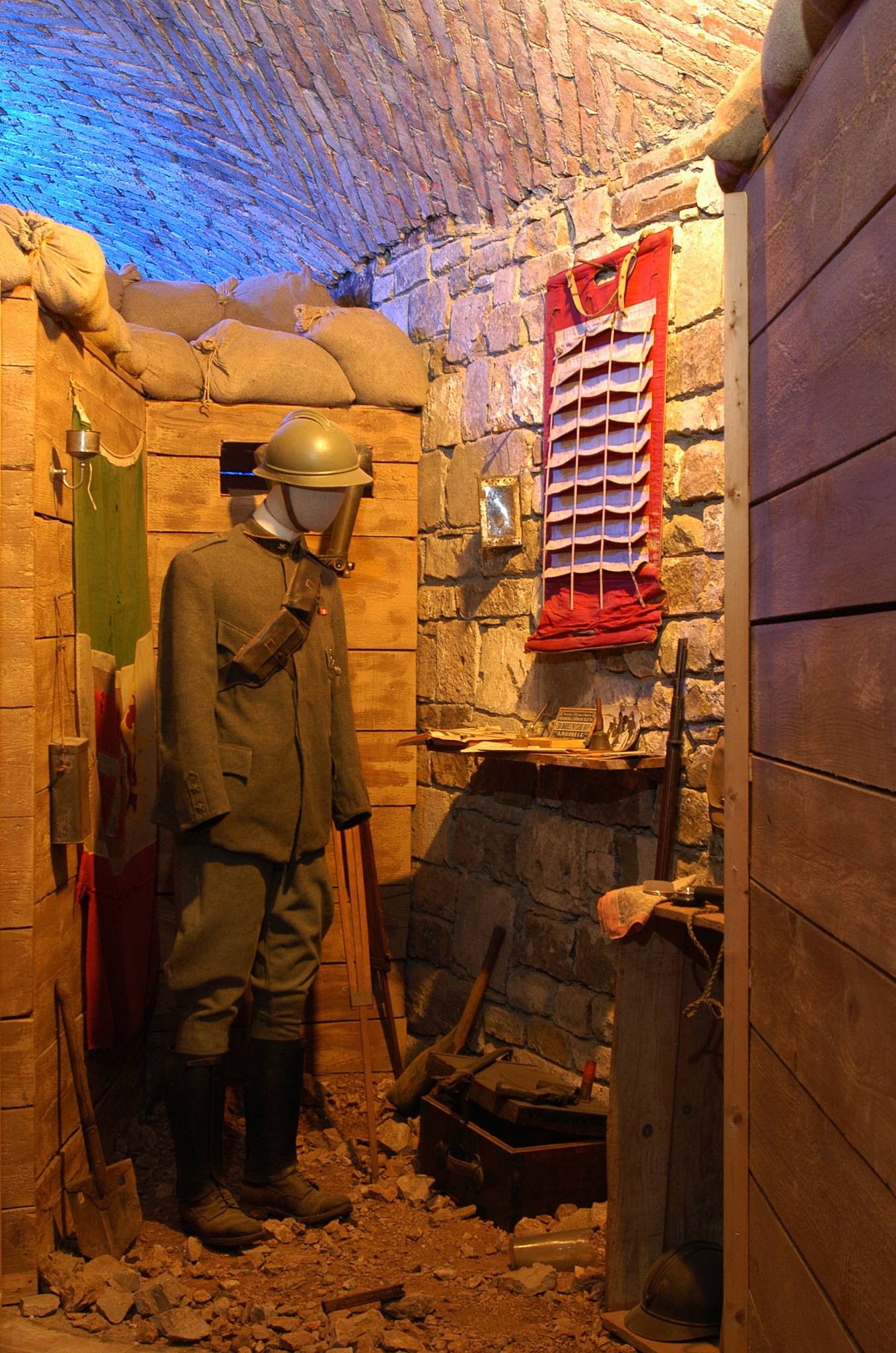
Located in two ancient houses in Borgo Castello in Gorizia, the Museum of the Great War is divided into nine rooms, where objects, documents, photographs and multimedia interventions evoke the experience of the First World War and its human and social effects. The staging tends above all to make known the daily life of life during the war, such as that of the soldier (apart from the uniform he wore), which was marked by bloody battles, but also by long periods of waiting in the trenches, here reconstructed in life-size and with sound that reproduces the deafening noise of gunfire, explosions and screams.
But the experience of civilians is also described, marked by equal suffering. We see it in the room dedicated to daily life in Gorizia, a city "on the front line" during the First World War, with the inhabitants forced to take refuge in cellars, suffering from too many deprivations, afraid of the bombings that hammered the city for thirty months , as well as forced to live in a climate of suspicion and betrayal created by the alternation of armies in control of the city.
The museum exhibition is concentrated above all on the Isonzo front, without however losing sight of the general coordinates which allow the visitor to fully understand the significance of the event. But other themes, related to the concept of total war, are added to the itinerary: the more strictly military ones, such as technological innovation in armaments, but also a study room on prisoners of war.
A strong emotional involvement, but also a didactic approach are the key to interpreting the museum itinerary, seen as a tool for disseminating the history and the main social problems concerning the First World War.
The museum is managed by the Friuli Venezia Giulia Region through ERPAC - the regional body for cultural heritage.

Borgo Castello, 13, Gorizia, Italy
Opening hours
| opens - closes | last entry | |
| monday | Closed now | |
| tuesday | 09:00 - 19:00 | |
| wednesday | 09:00 - 19:00 | |
| thursday | 09:00 - 19:00 | |
| friday | 09:00 - 19:00 | |
| saturday | 09:00 - 19:00 | |
| sunday | 09:00 - 19:00 |

Siena, Tuscany, Italy
Caprera - La Maddalena, Sardinia, Italy