
Via Brigata Liguria, 9, Genoa, Liguria
Closed now: open at 09:00
Verified profile

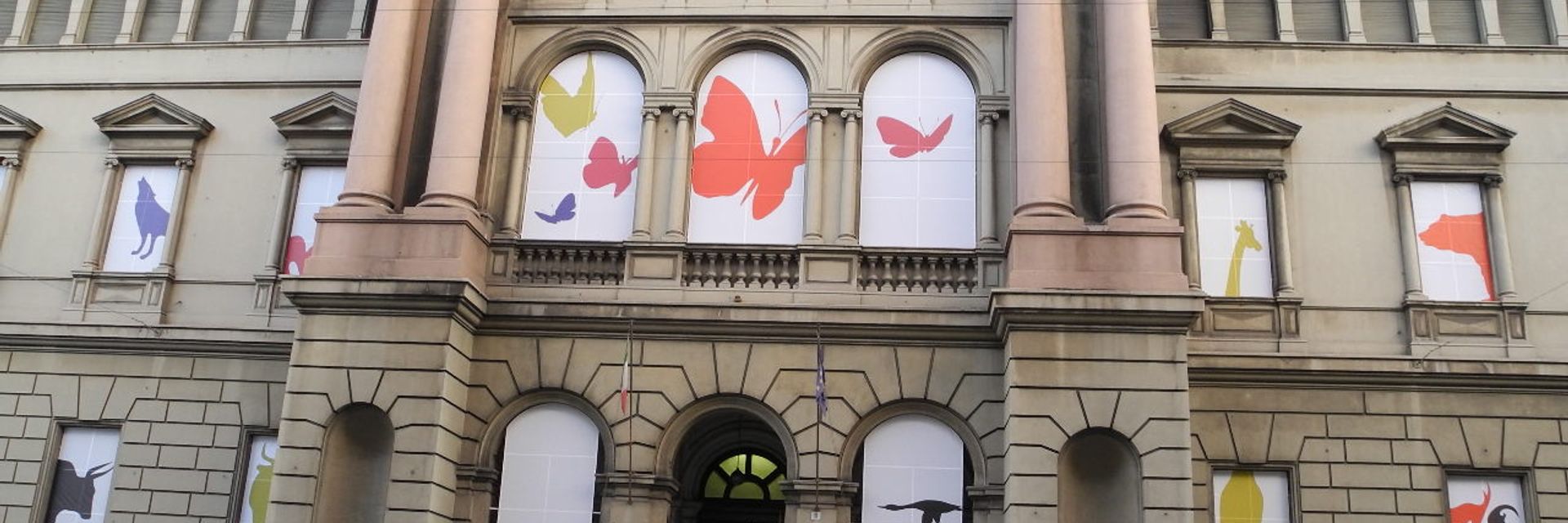
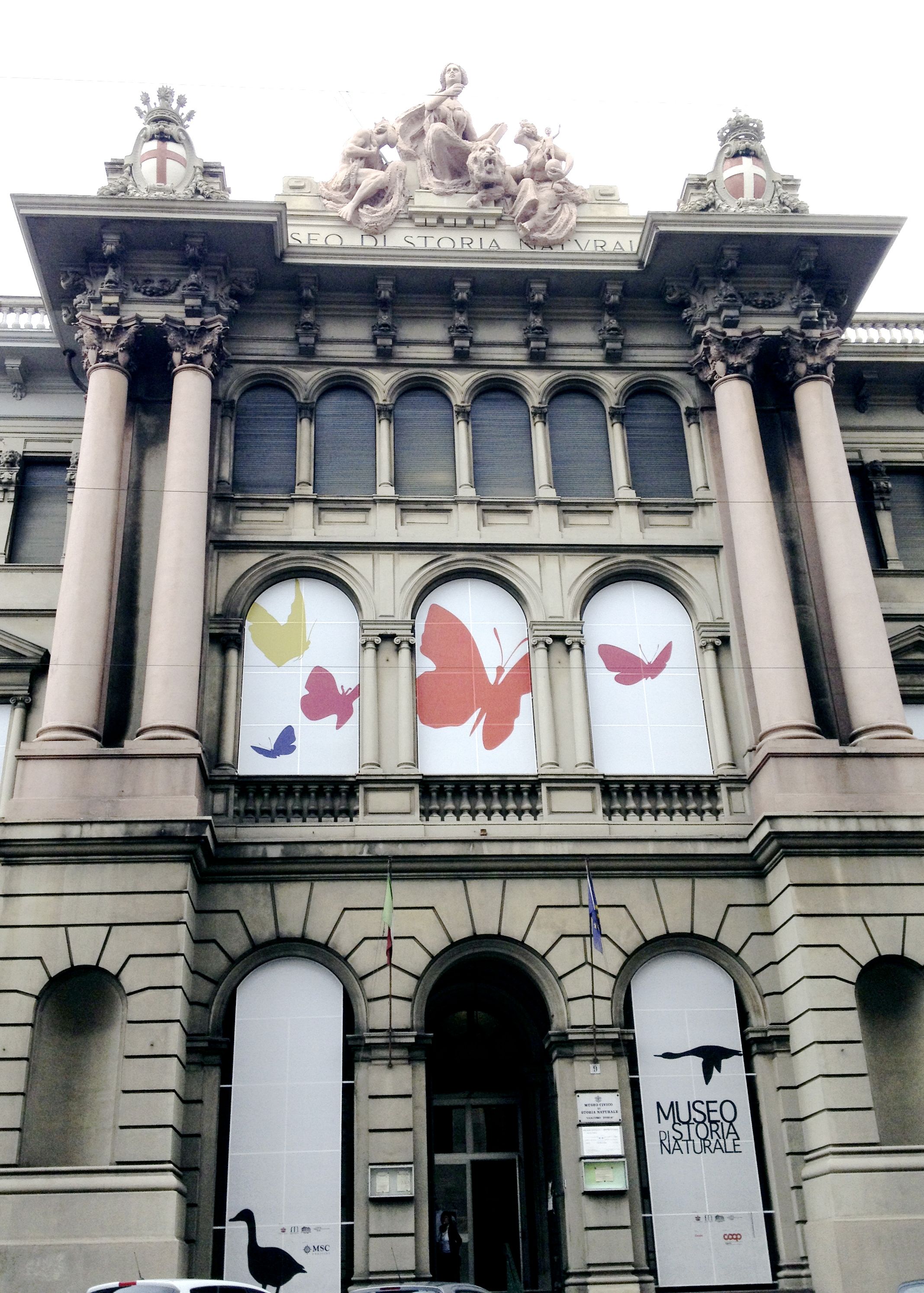
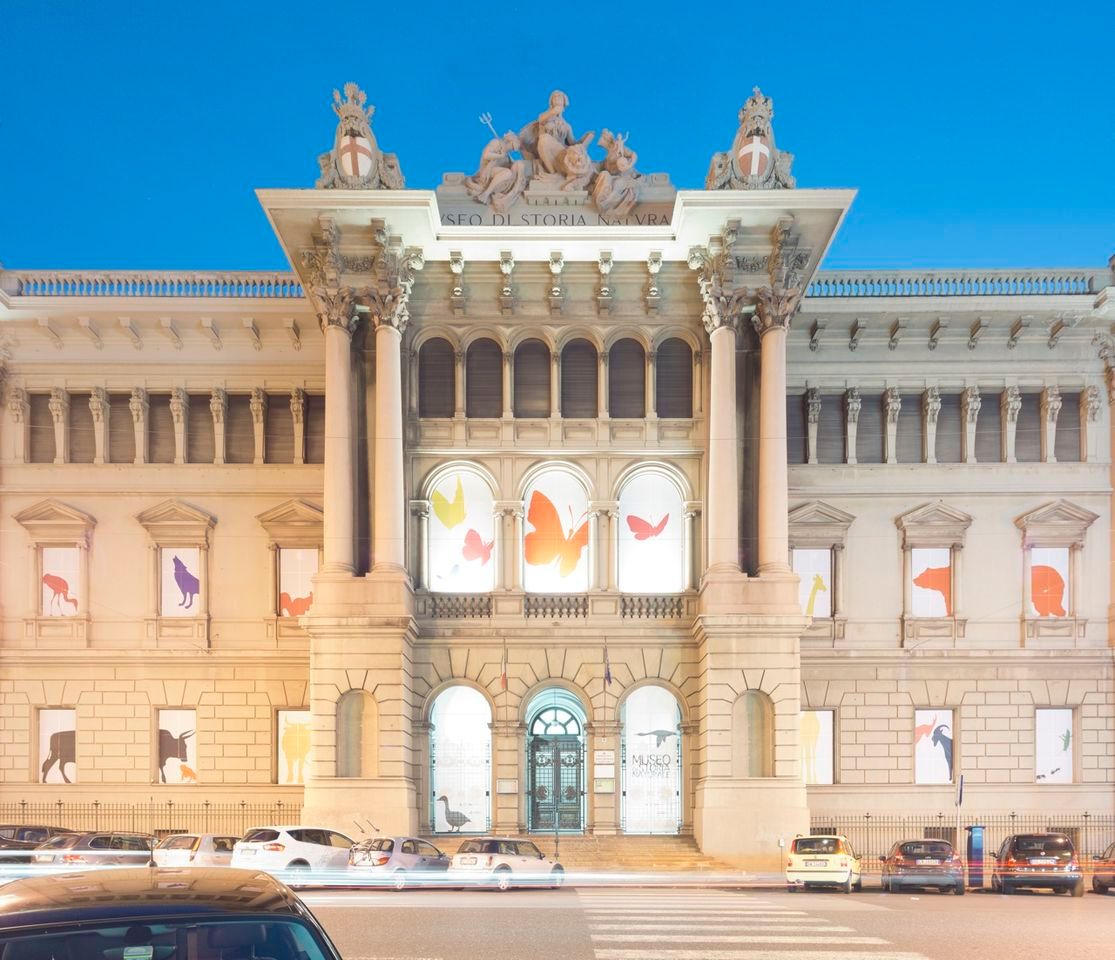
The Natural History Museum was founded at the end of the nineteenth century on the initiative of Giacomo Doria , a natural history enthusiast, who exhibited his collections together with that of Lorenzo Pareto and Prince Oddone of Savoy.
Later, this nucleus was enriched by acquisitions coming from the expeditions financed by Doria and by bequests and donations. The vastness of the material collected made it necessary to transfer the museum to a building specially designed and built at the beginning of the twentieth century.
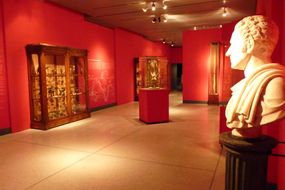
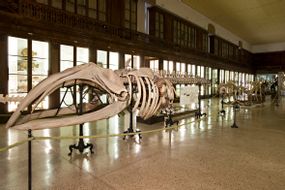
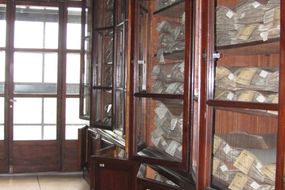
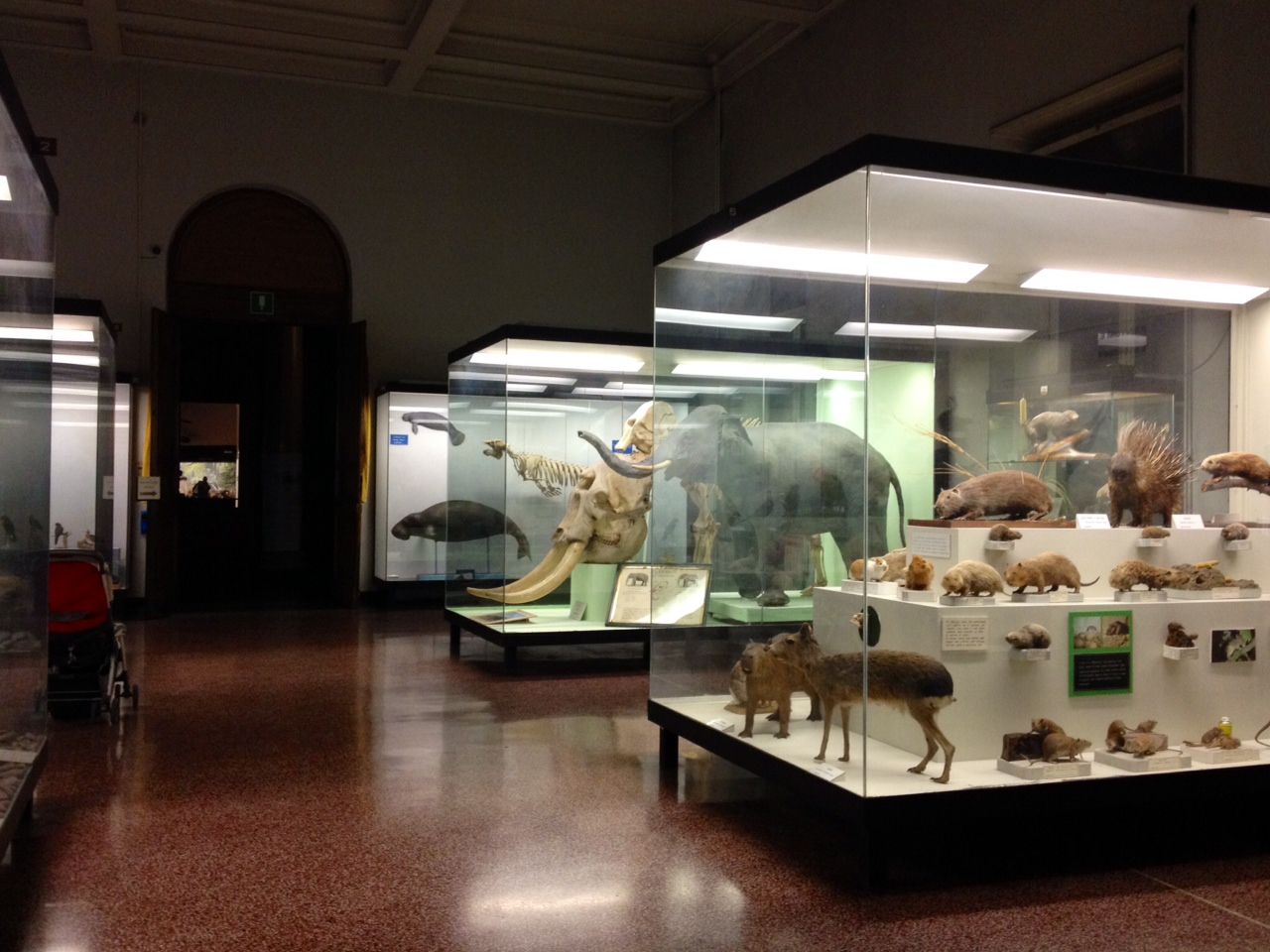
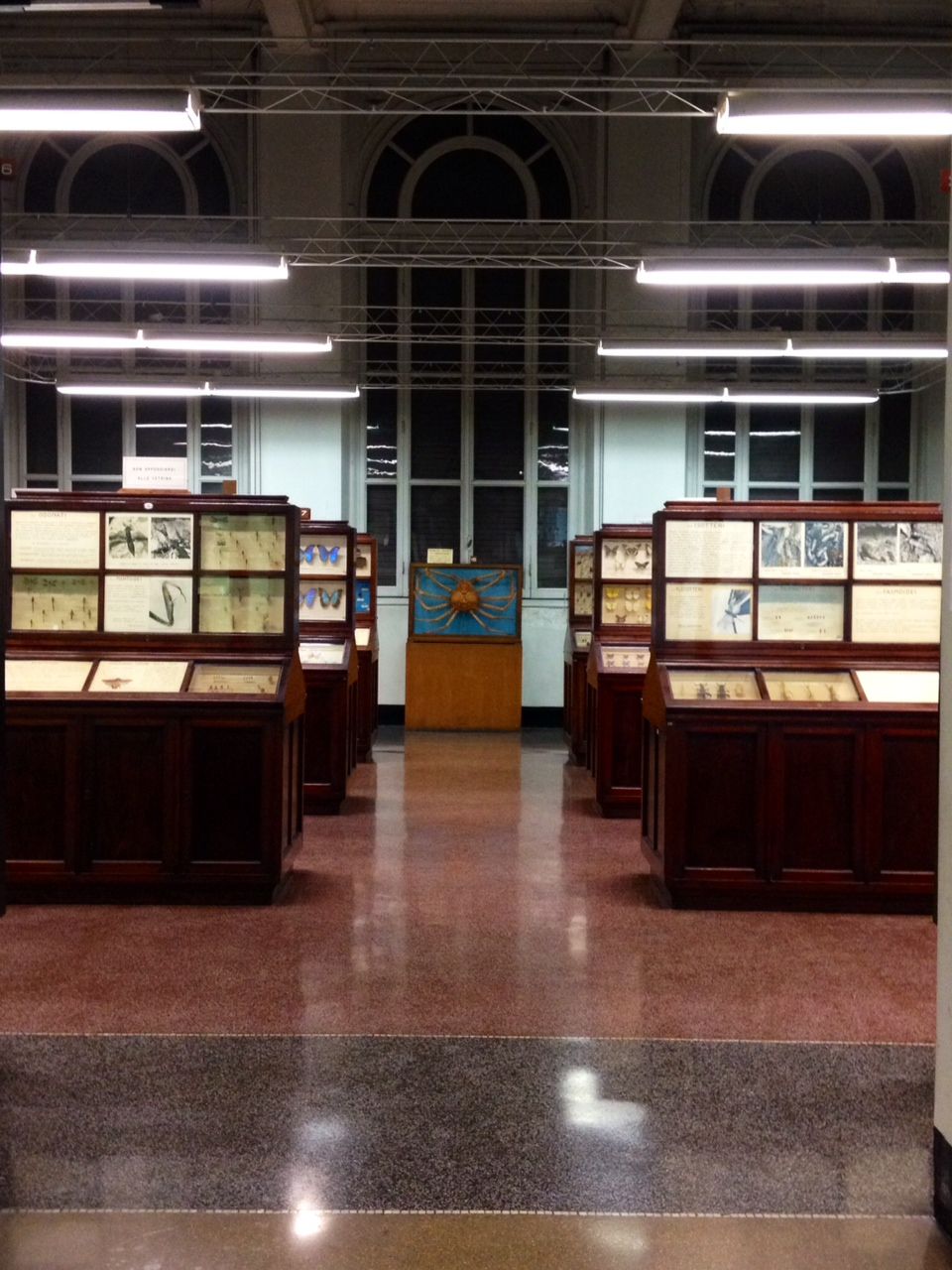
Today the museum is the oldest in the city and certainly one of the most important in the city. The collections are displayed in showcases equipped with information systems on their contents: there are a total of approximately 4 and a half million finds and specimens.
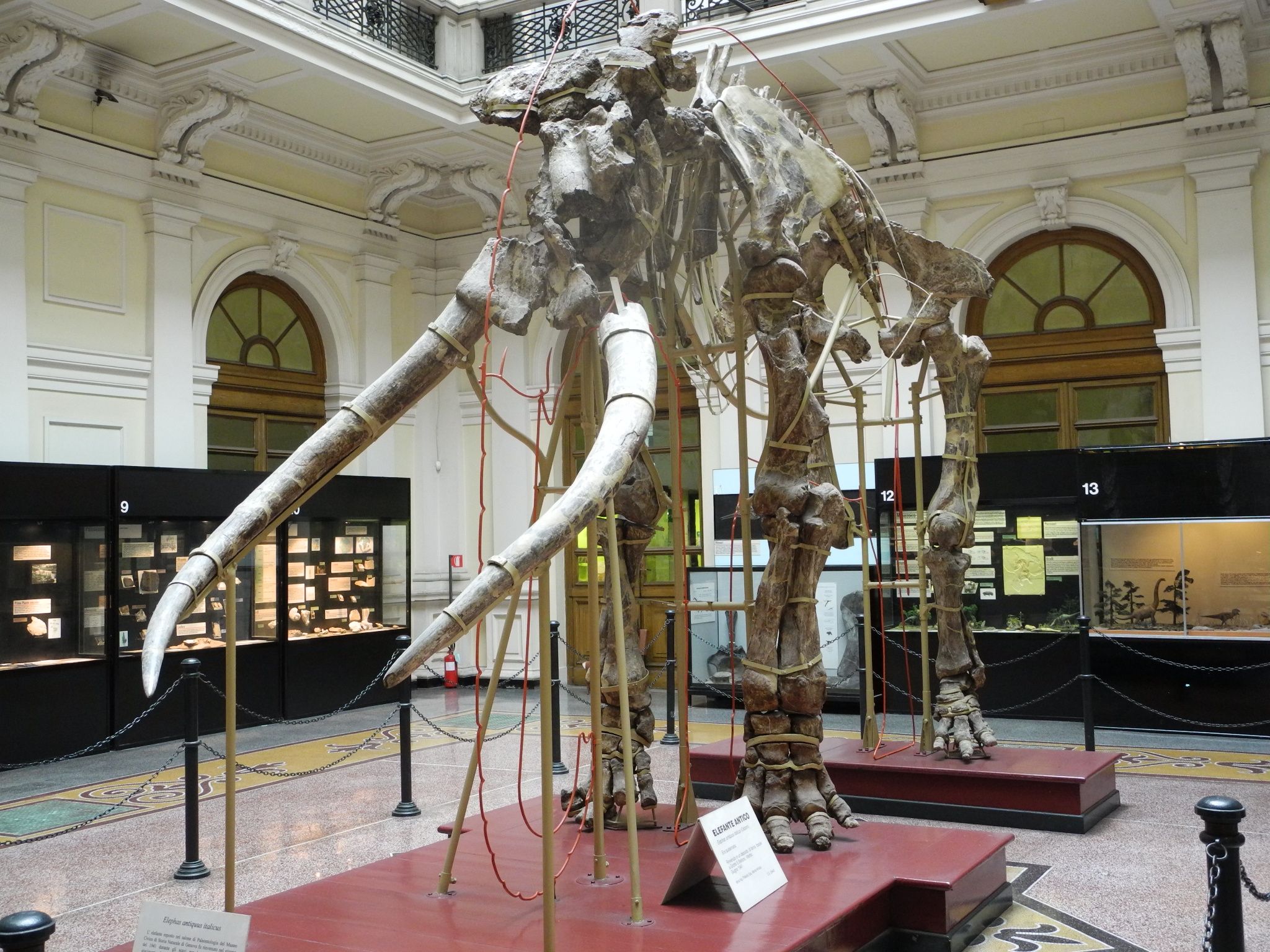
The layout includes a division into 23 rooms . The itinerary starts from the space dedicated to Paleontology and continues with the rooms displaying collections of high scientific value , mostly zoological . There is also no shortage of sections displaying botanical specimens and collections of fossils, rocks and minerals . Among the most important collections are those of Mammals , that of Birds and that of Insects.

Via Brigata Liguria, 9, Genoa, Italy
Opening hours
| opens - closes | last entry | |
| monday | Closed now | |
| tuesday | 09:00 - 19:00 | |
| wednesday | 09:00 - 19:00 | |
| thursday | 09:00 - 19:00 | |
| friday | 09:00 - 19:00 | |
| saturday | 10:00 - 19:30 | |
| sunday | 10:00 - 19:30 |