
Piazzale di Villa Giulia, 9, Rome, Lazio
Open now from 08:30 to 19:30
Verified profile

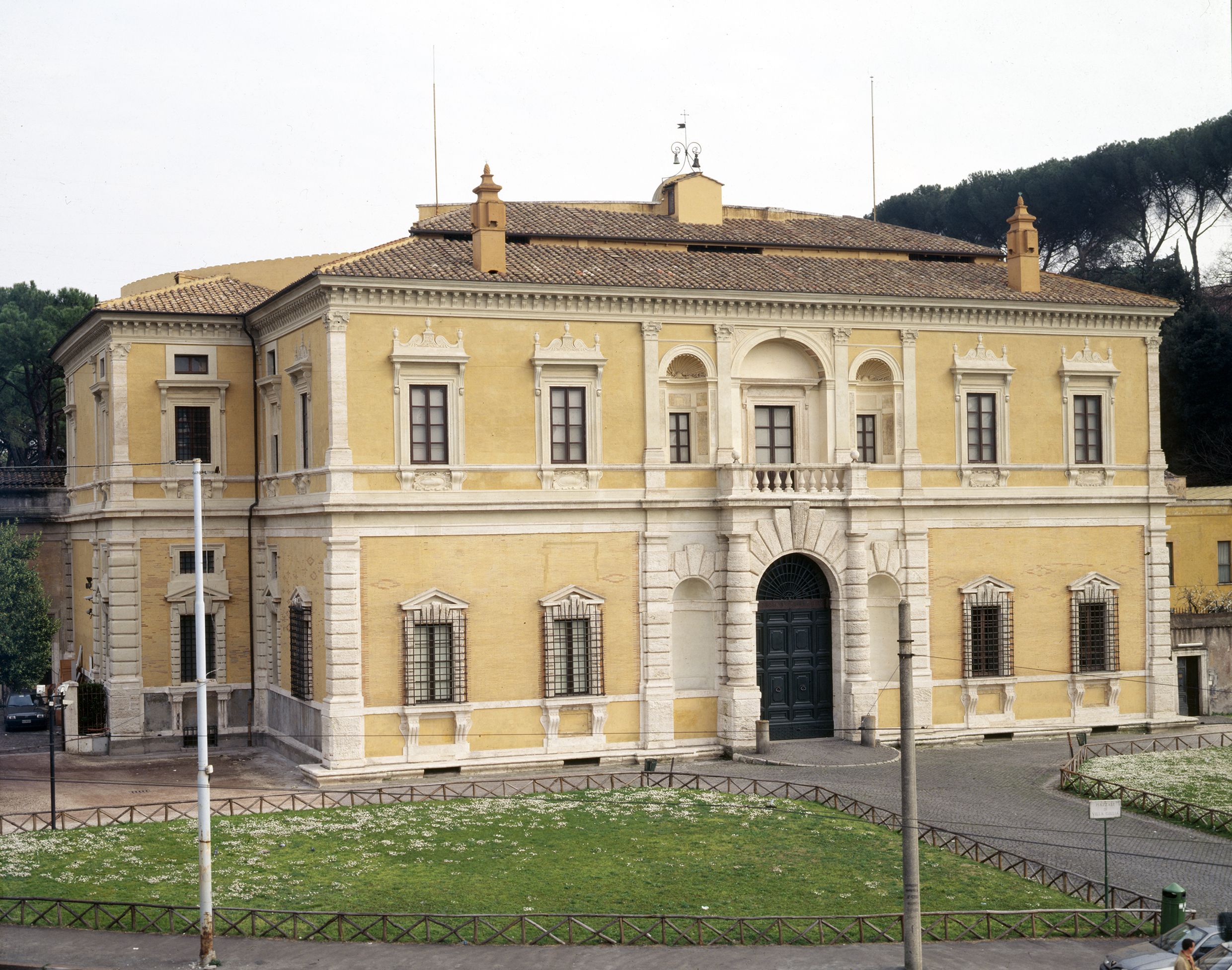
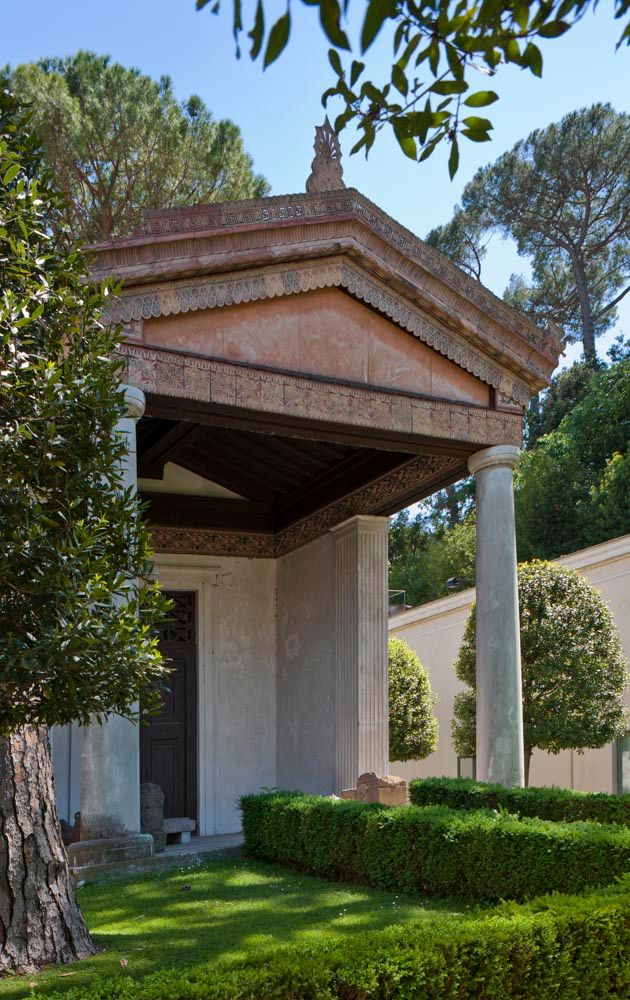
The National Etruscan Museum of Villa Giulia, in Rome, is today the most representative museum of the Etruscan civilization.
The Museum was founded in 1889 by Felice Barnabei (1842-1922), an Italian archaeologist and politician, with the aim of bringing together all the objects discovered in the Roman province: Etruria near Rome, the Faliscan and Capenate territories, Sabina, southern Lazio, and later Umbria. In the following decades, with excavation campaigns carried out in Veio and Cerveteri, the museum acquired an Etruscan characterization.
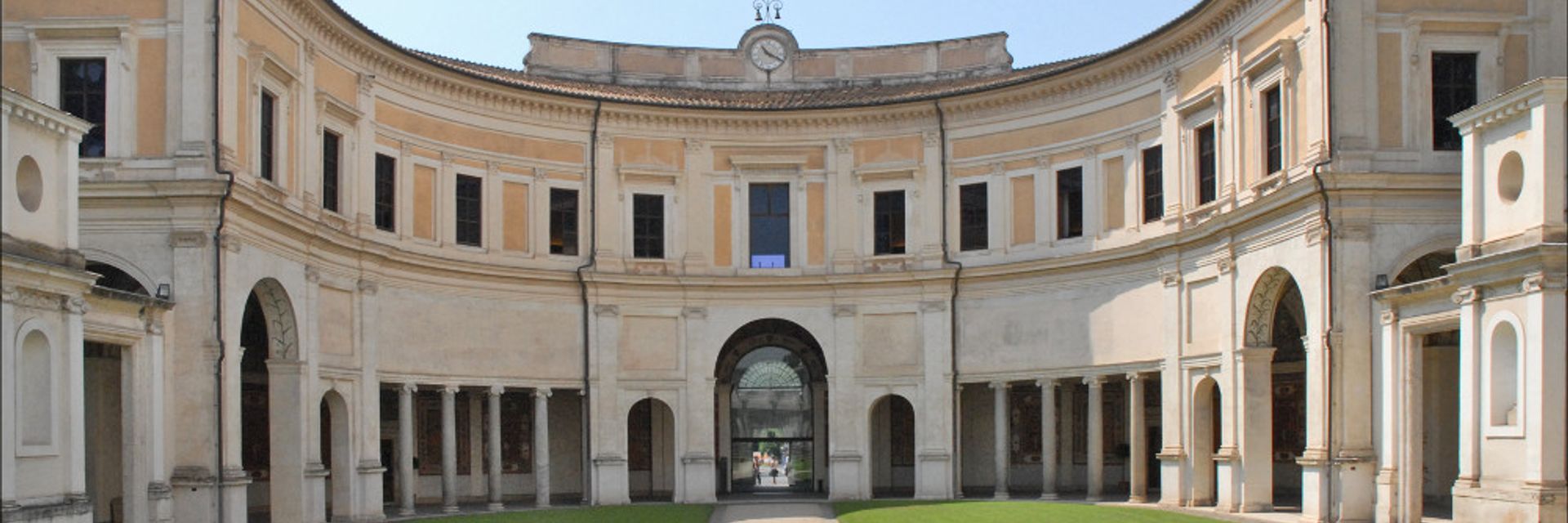
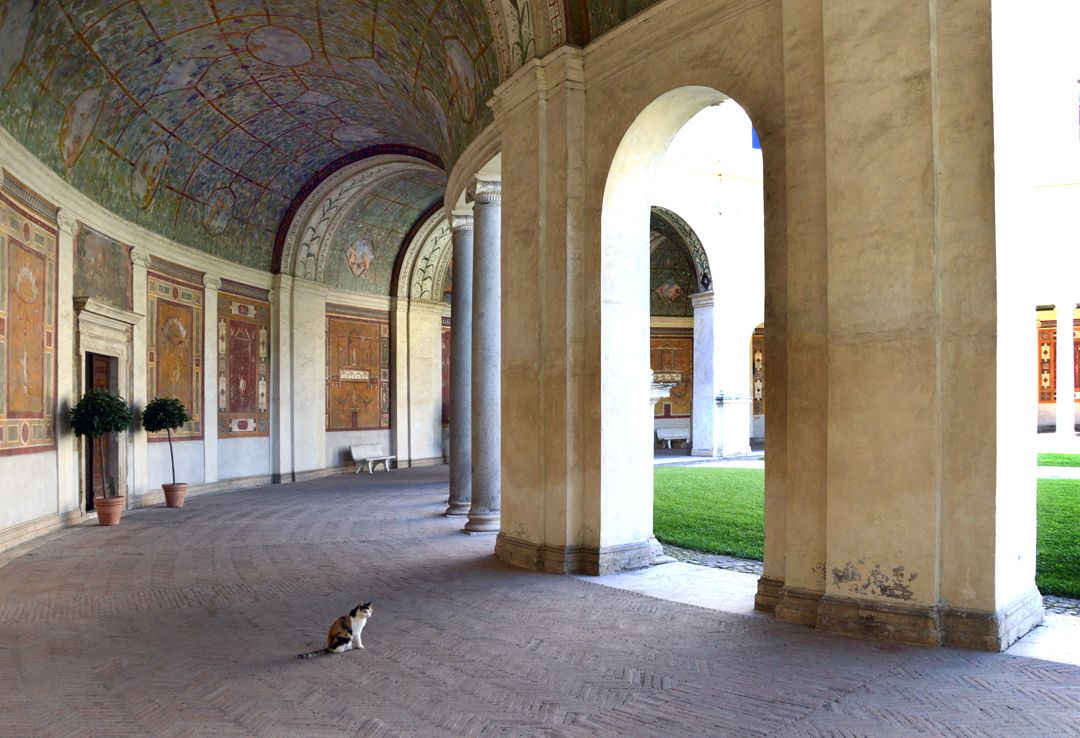
However, it also houses high-level Greek artifacts, gathered in an area that was an extraordinary meeting point of different peoples between the 8th and 5th centuries BC. The National Etruscan Museum of Villa Giulia is located in the Villa built by Pope Julius III during the years of his pontificate between 1550 and 1555, which is a splendid example of a Renaissance villa.
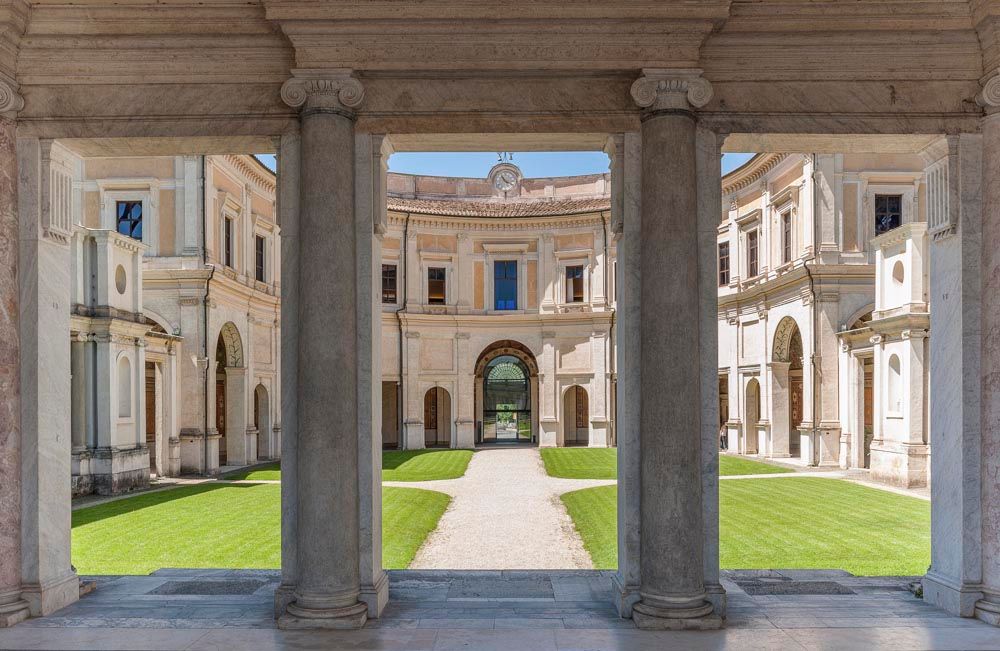
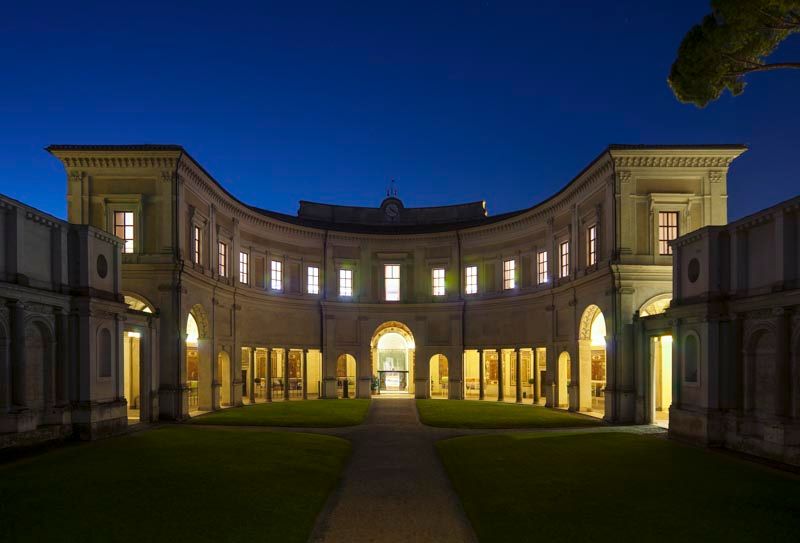

The project and realization of the Villa, articulated in a series of three courtyards that extend behind the palace, involved the greatest artists of the time: Giorgio Vasari, Jacopo Barozzi da Vignola, and Bartolomeo Ammannati. The decorative apparatus of the villa was enriched by frescoes, created by Pietro Venale da Imola, Taddeo Zuccari, and Prospero Fontana.

Piazzale di Villa Giulia, 9, Rome, Italy
Opening hours
| opens - closes | last entry | |
| monday | Closed now | |
| tuesday | 08:30 - 19:30 | |
| wednesday | 08:30 - 19:30 | |
| thursday | 08:30 - 19:30 | |
| friday | 08:30 - 19:30 | |
| saturday | 08:30 - 19:30 | |
| sunday | 08:30 - 19:30 |