

Via Tomba di Catilina, Pistoia, Tuscany
Closed today: open tomorrow at 10:00
Verified profile

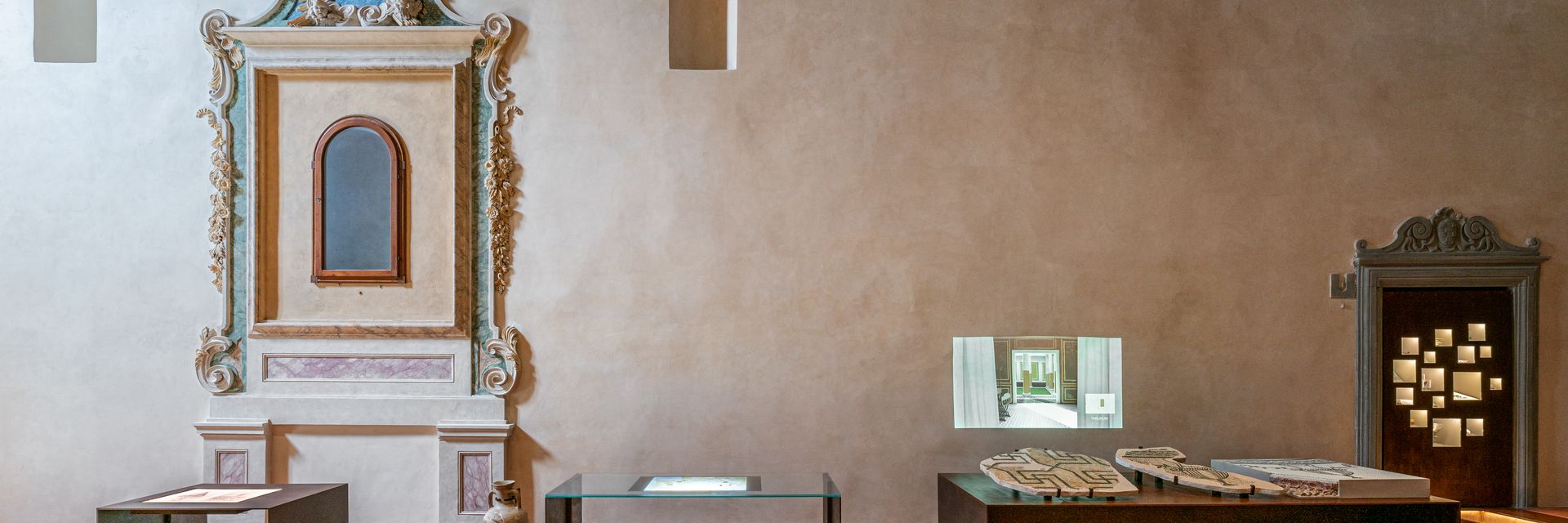
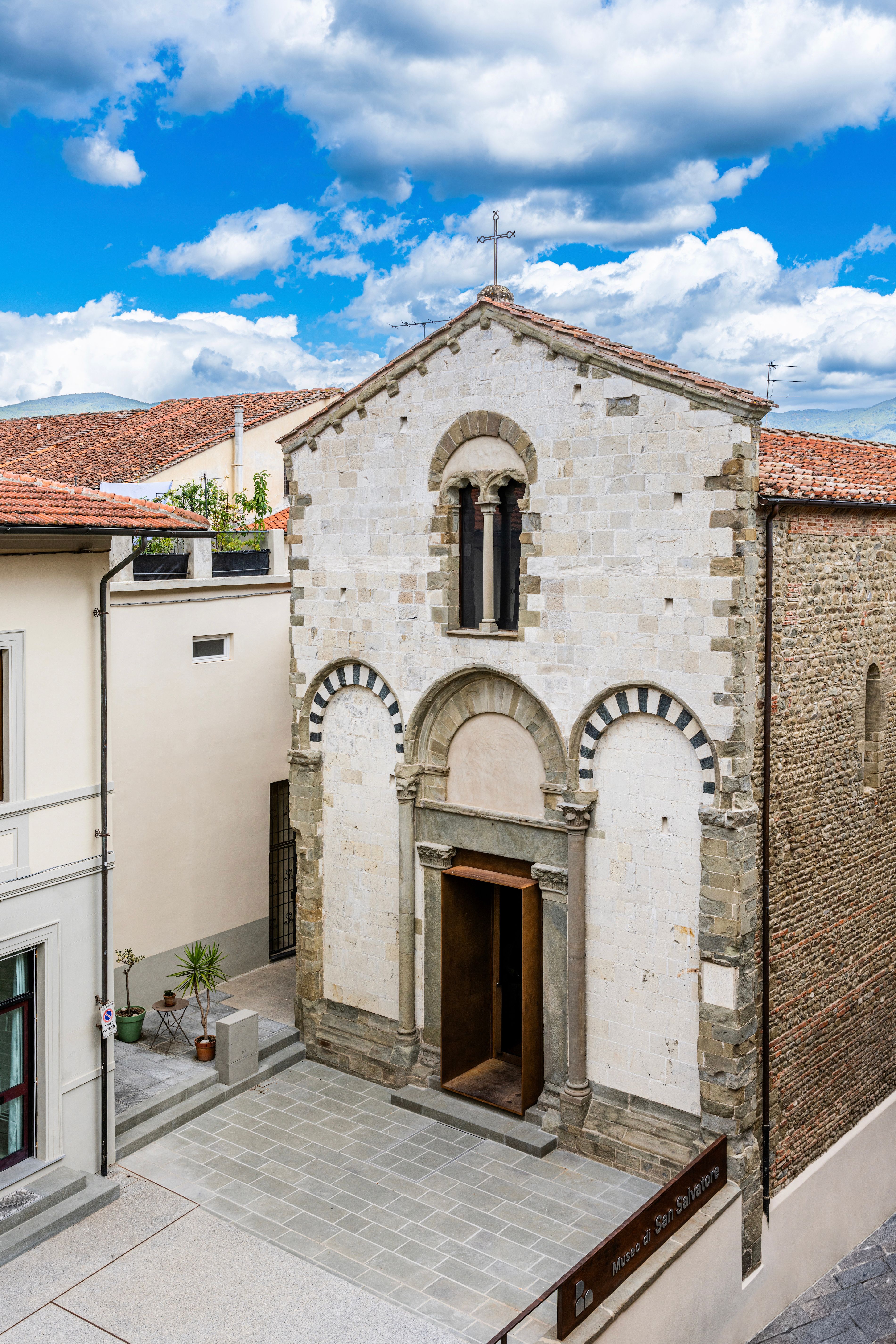
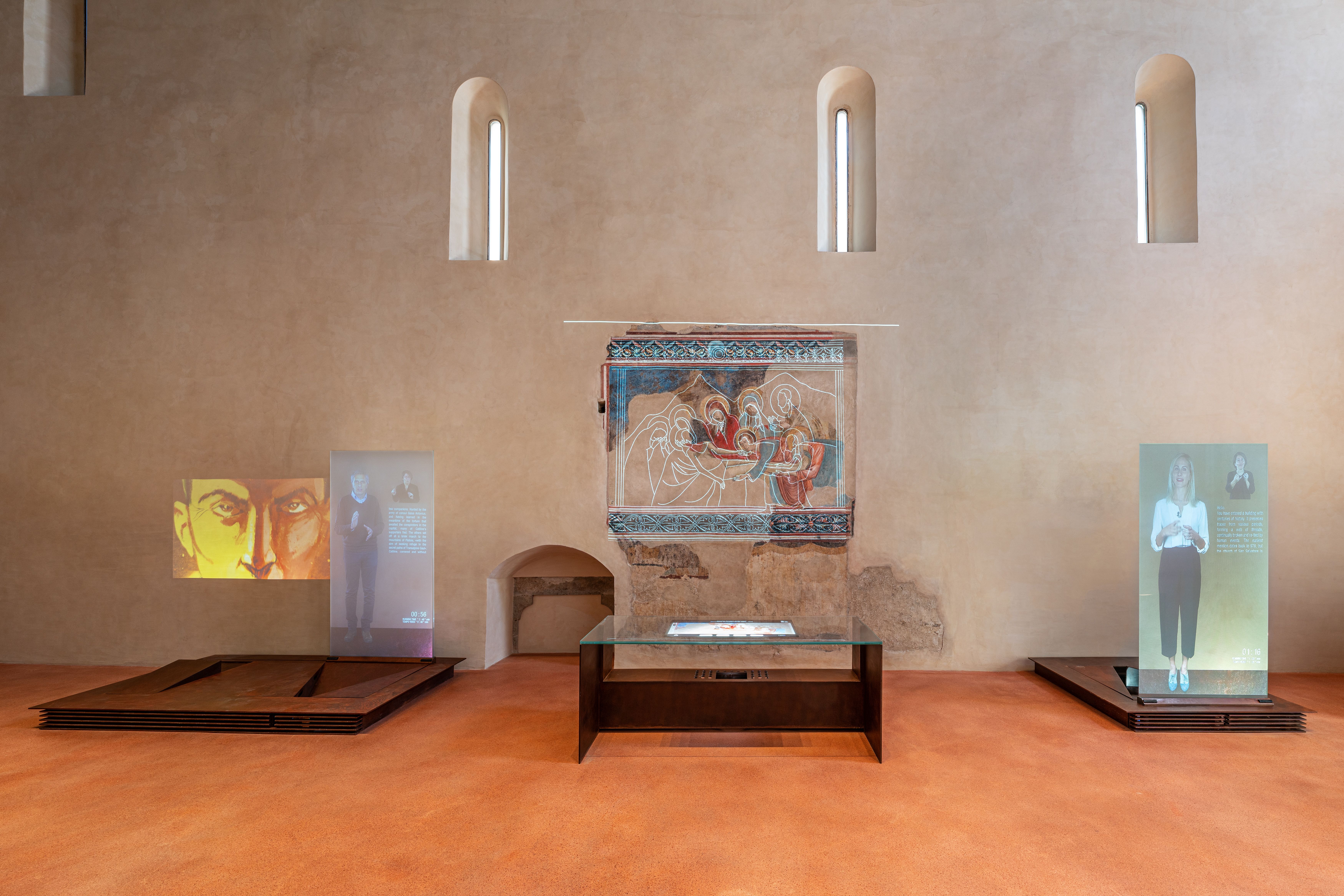
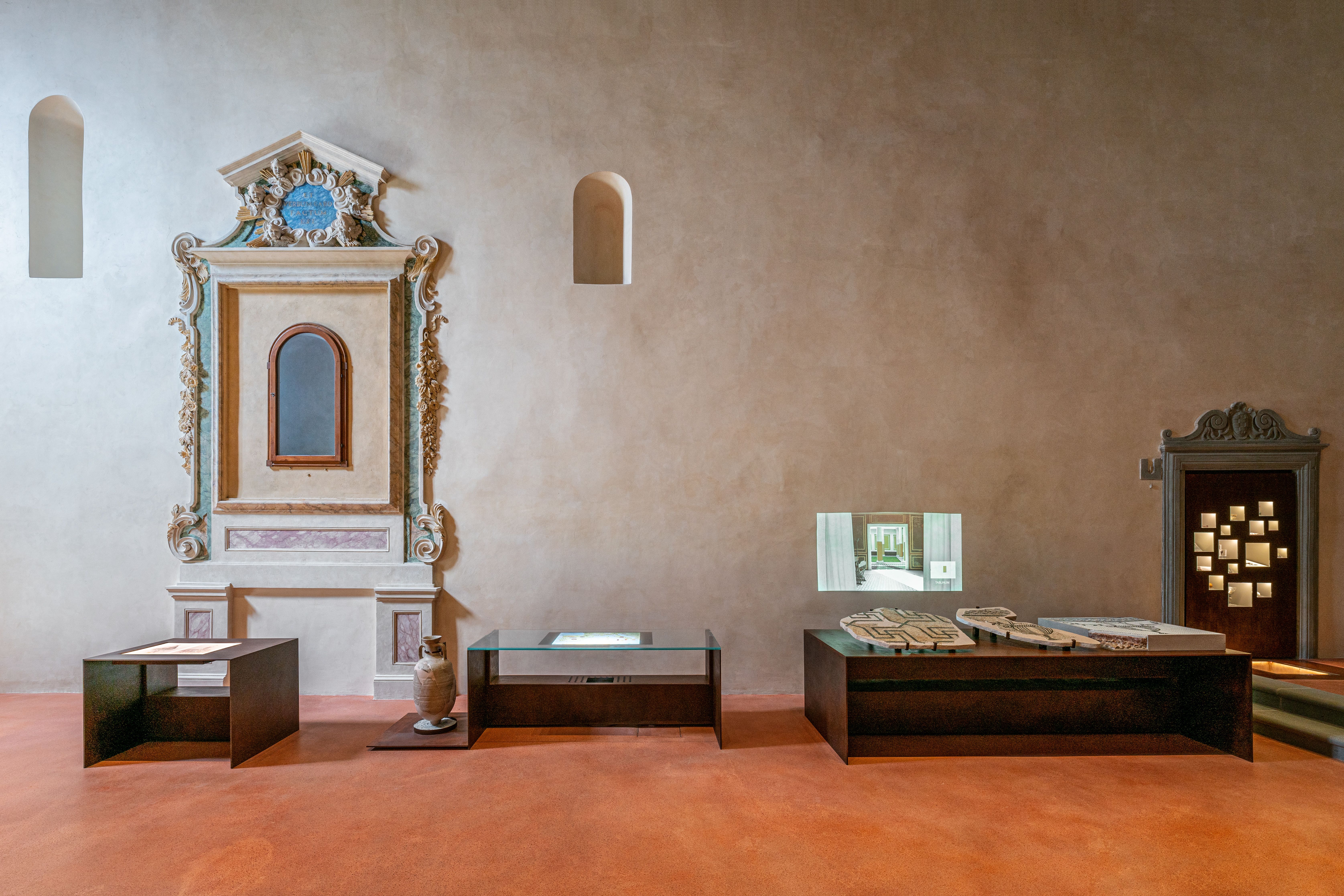
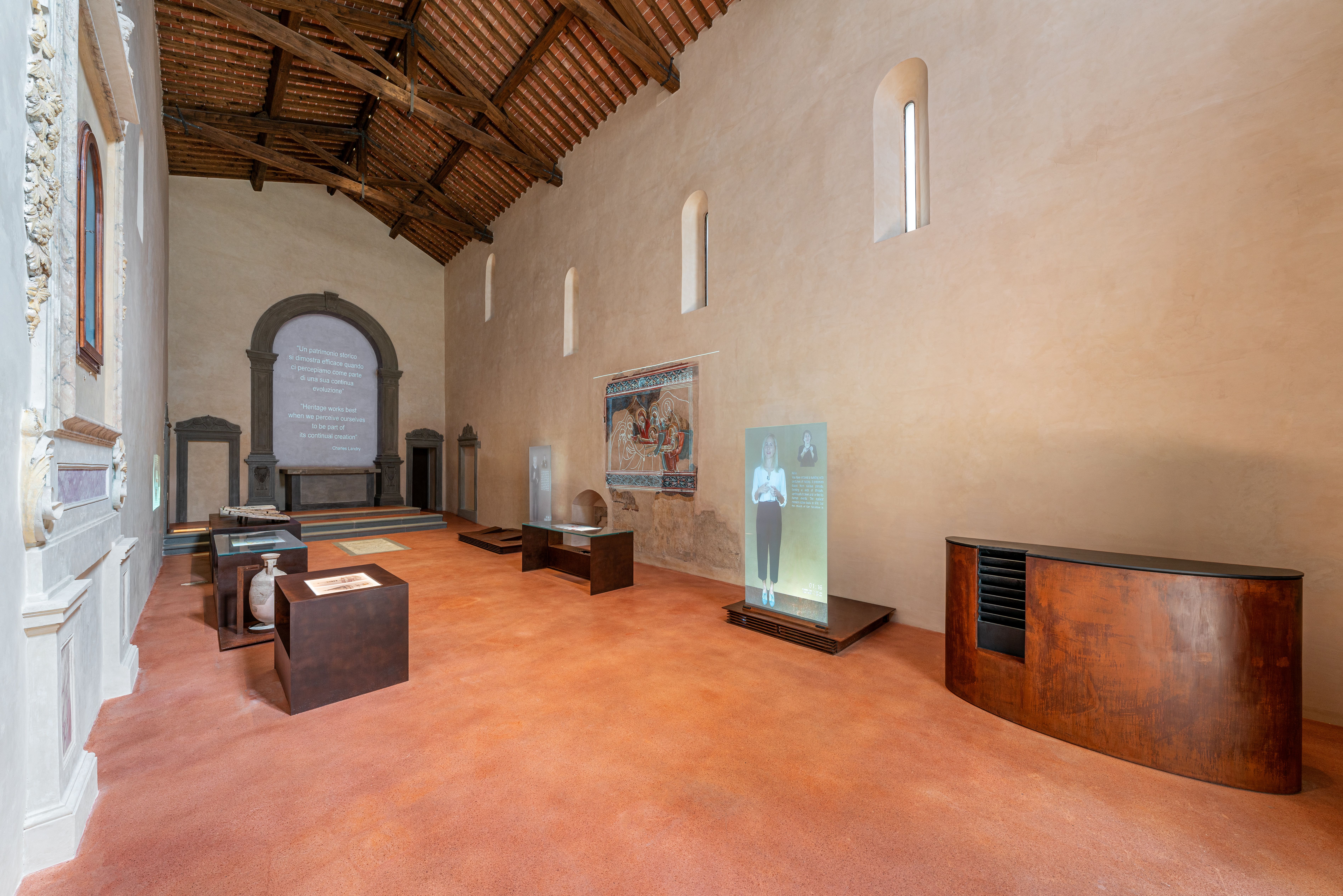
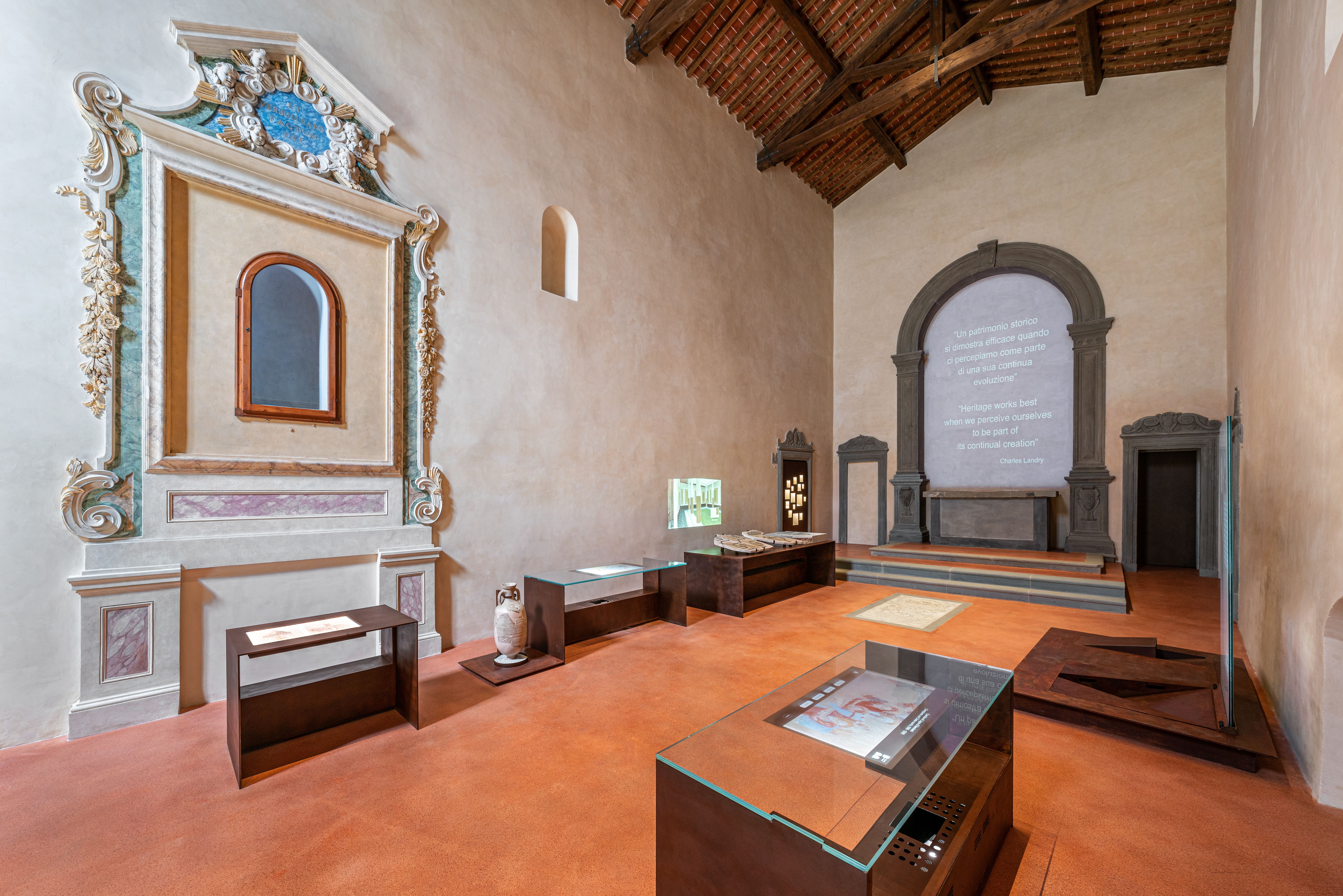

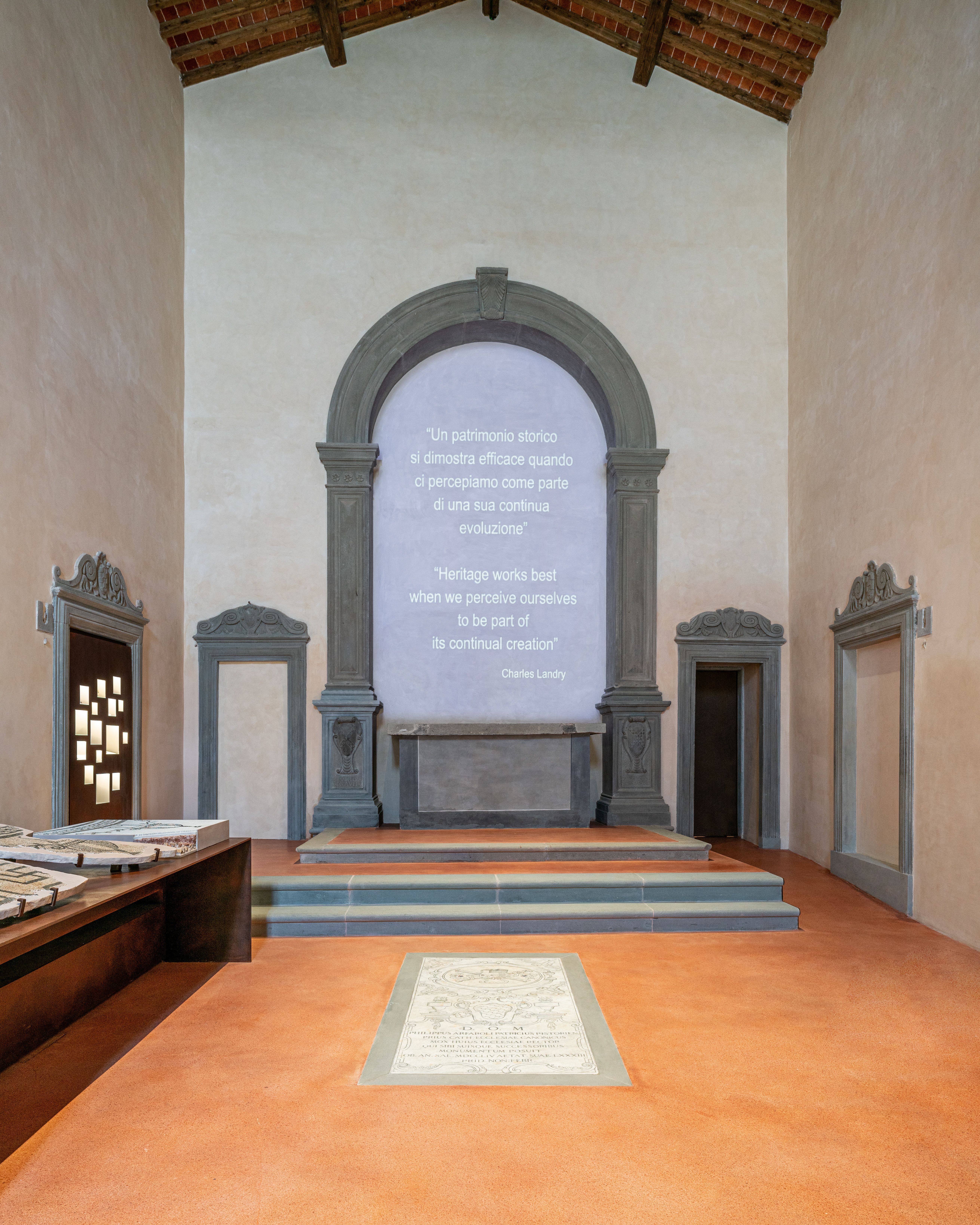
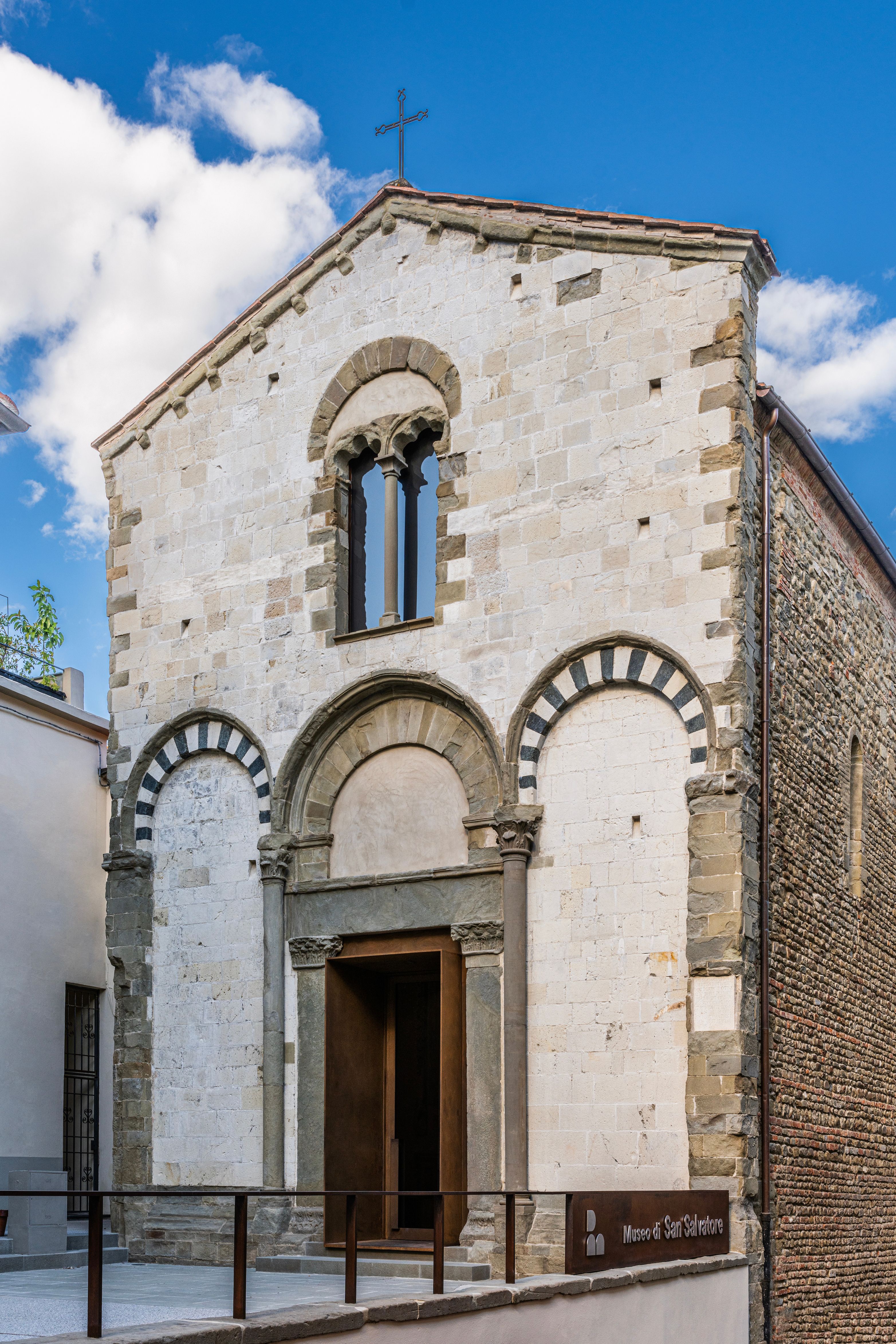
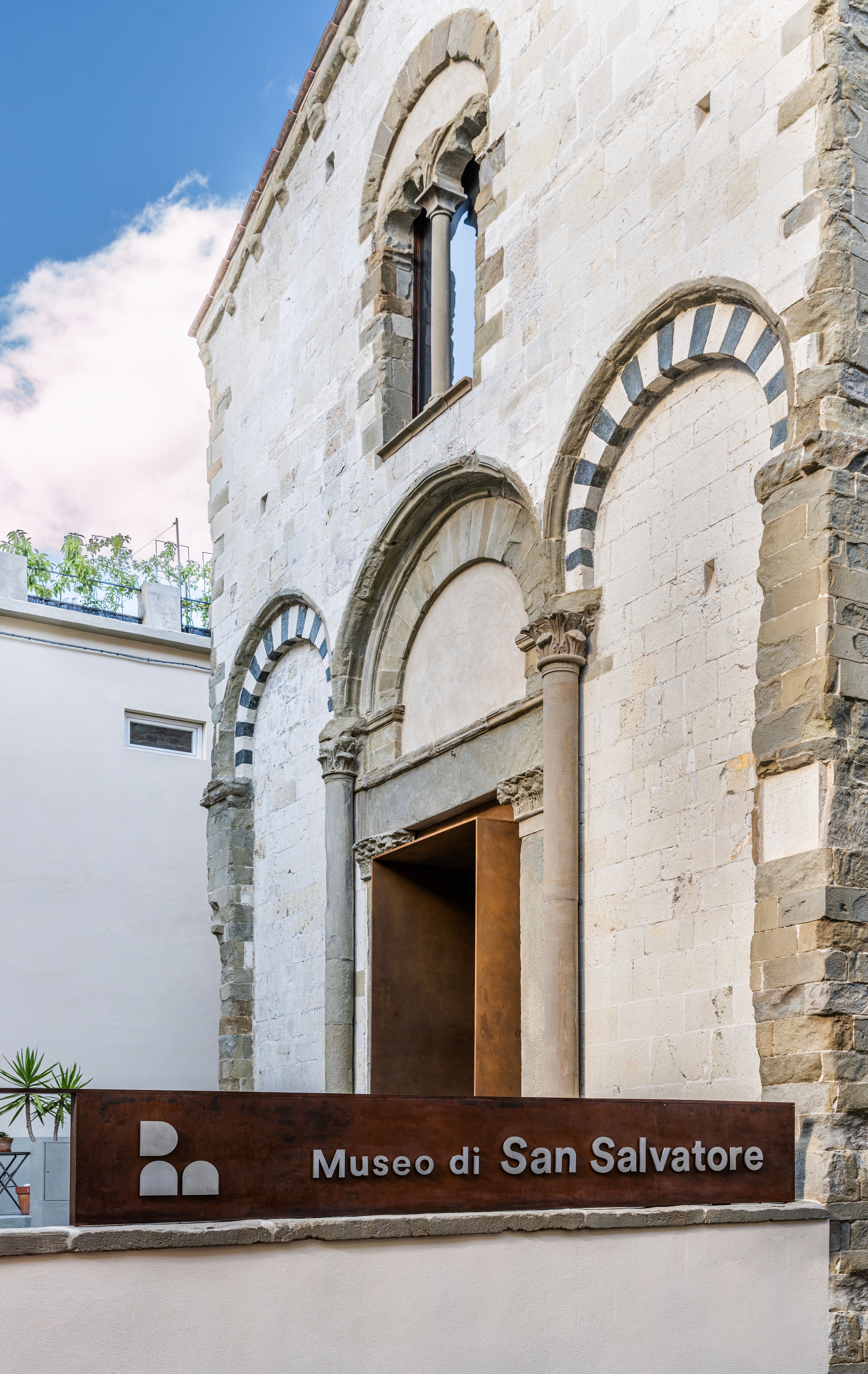
One of the oldest churches in Pistoia, which has been known since the tenth century, after two centuries of abandonment opens its doors again revealing an unexpected story: it is San Salvatore , which from 24 September 2022 will become an exhibition venue - the fourth after Palazzo Buontalenti, Palazzo de' Rossi and Antico Palazzo dei Vescovi - with which Pistoia Musei completes its important and demanding museum system project in the heart of Pistoia. Back in 1784, Bishop Scipione de' Ricci chose to suppress the parish of San Salvatore, which was then closed for worship in 1807. Thus began a decline for the church that was only arrested thanks to its recovery by the Caript Foundation .
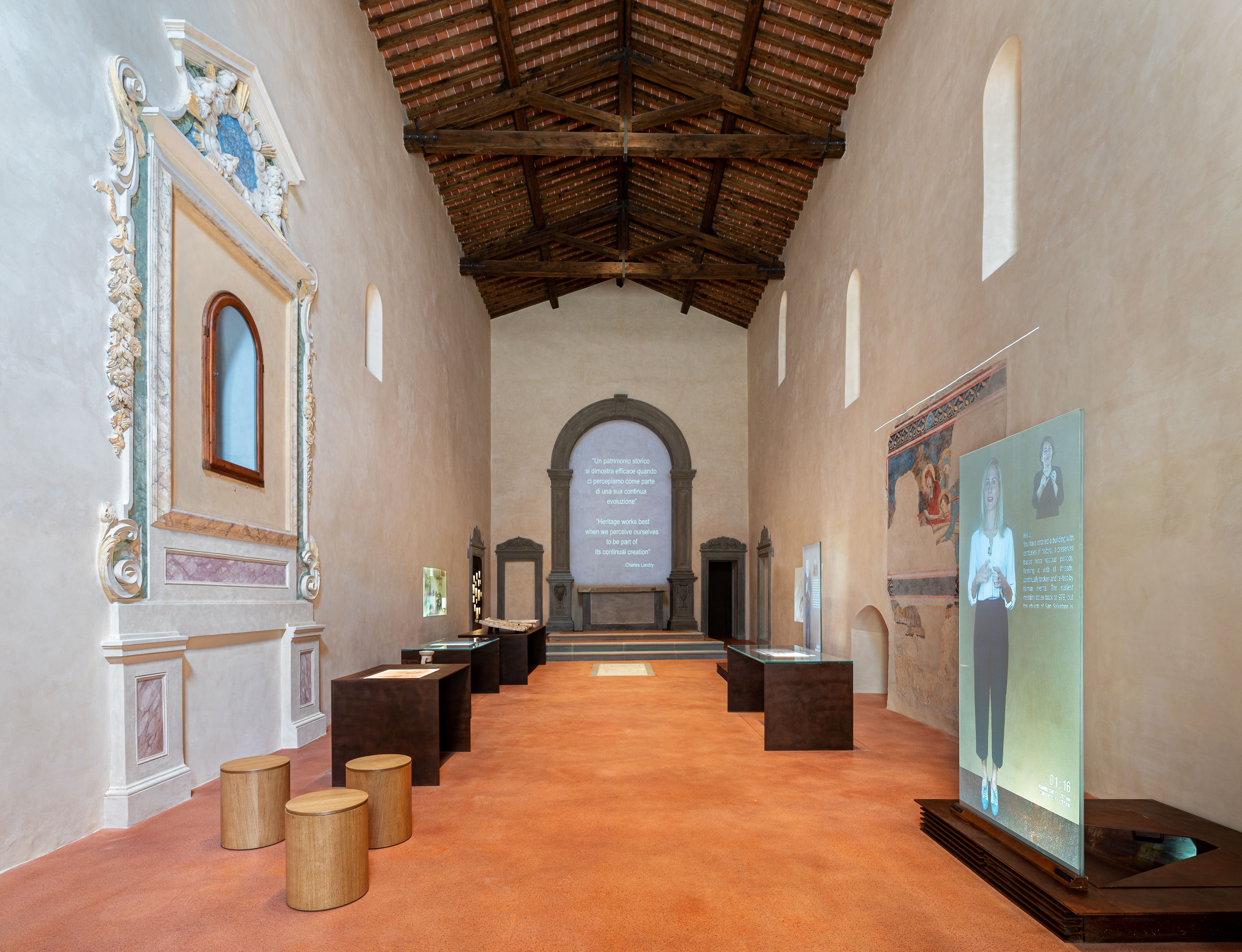
In agreement with the Cathedral Church of Pistoia, owner of the building, it is reborn today as a museum that offers a journey through the history of the oldest nucleus of the city through the display of works so far conserved in the deposits of the Civic Museums - such as the amphora of owned by the Municipality of Pistoia dated between the 1st century BC and the 2nd century AD, kindly granted on loan for use, and others owned by the state – as well as new and unexpected discoveries that accompany the public through incredible narratives.
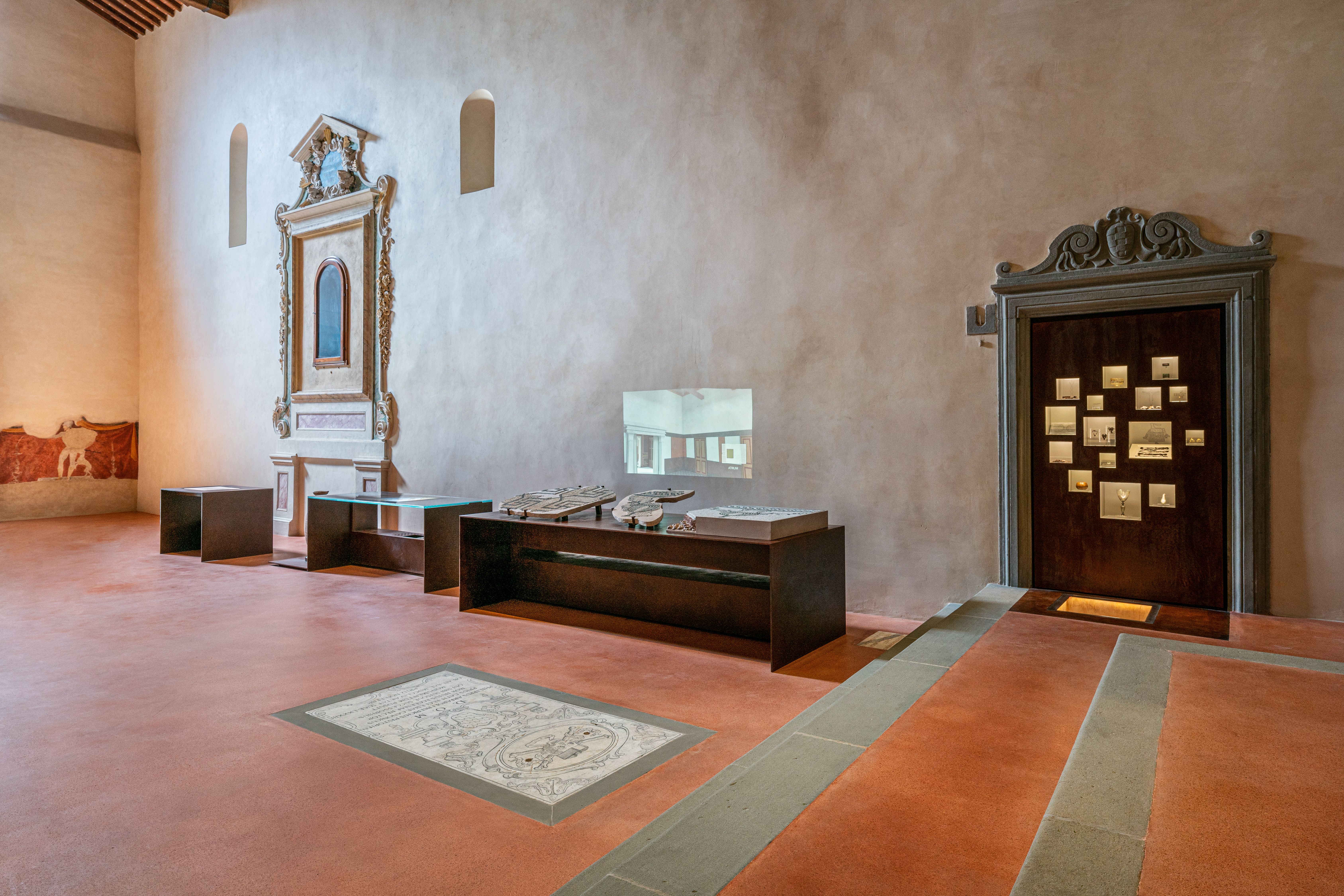
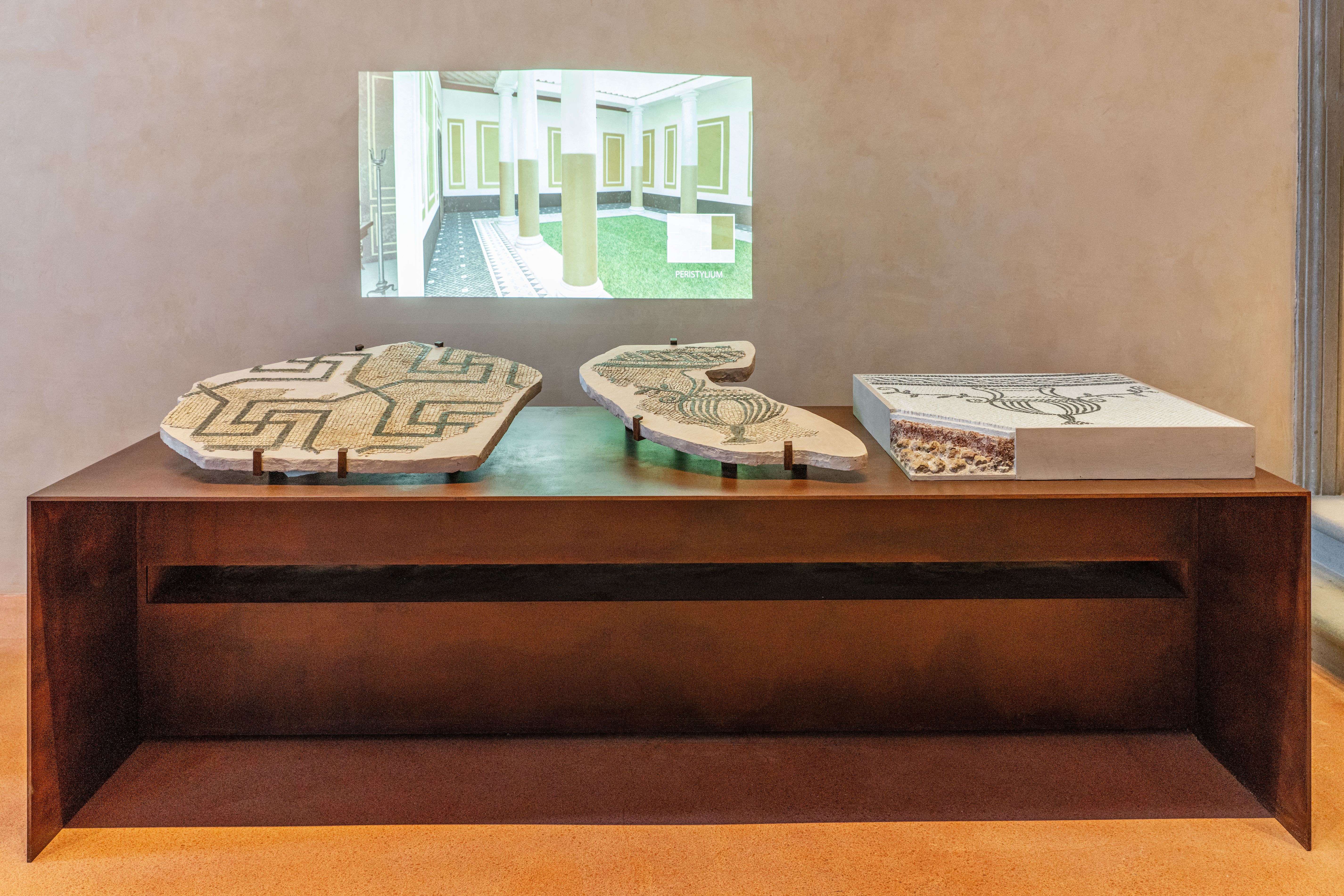
The meticulous restoration work and the excavations have brought to light the remains of the most ancient phases of the church, highlighting pre-existing Roman and early medieval elements. Part of the foundation pit of the first circle of walls from the Longobard era (8th century AD) has also been traced.
New light is shed on the end of Catilina : according to legend, the Roman conspirator defeated on the Pistoia Apennines would have been buried at the foot of the tabernacle of the church and, today, it is the archaeological excavations that tell us what was found precisely in the point that the belief wants .
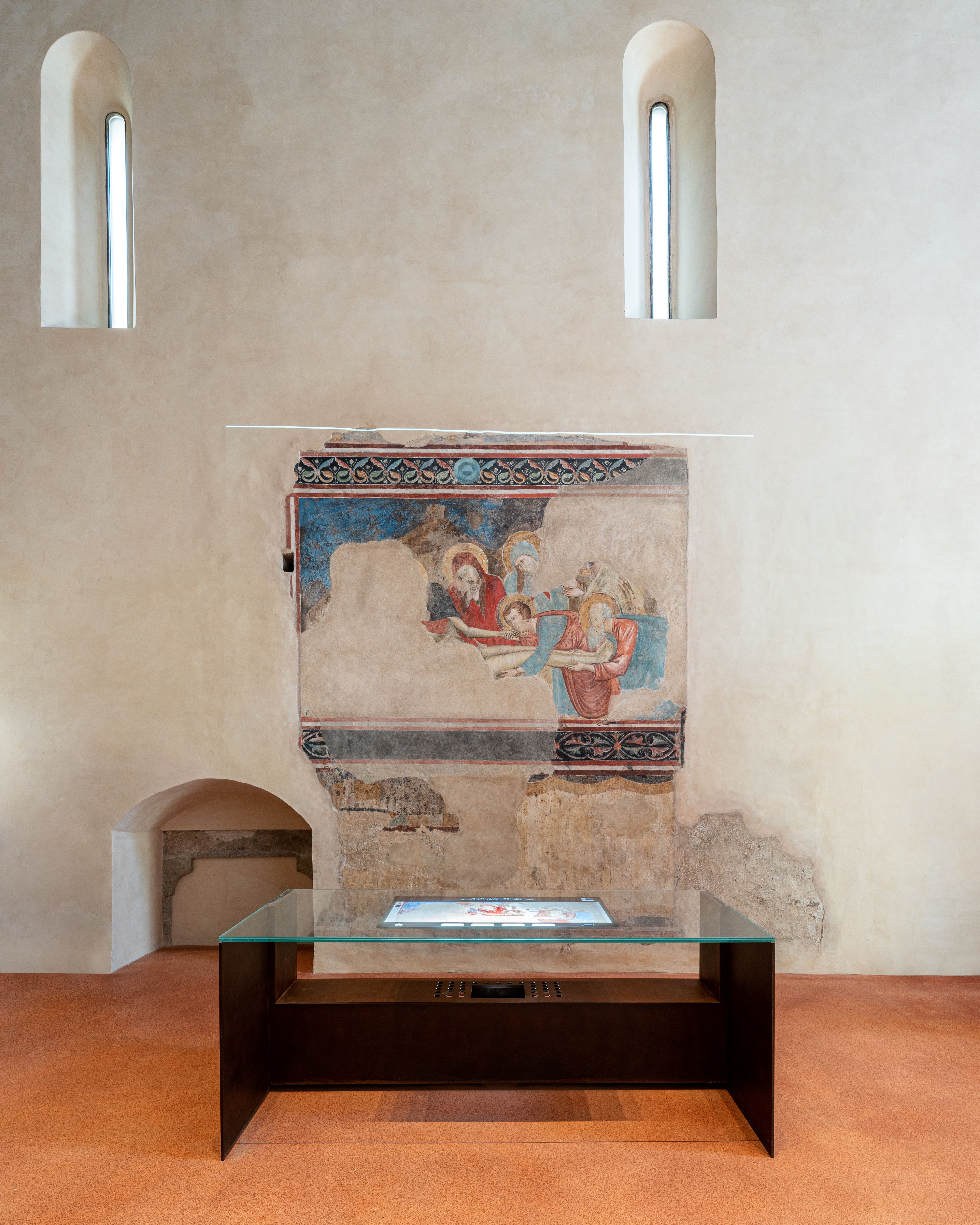
But one of the most extraordinary discoveries should be mentioned that of an incomplete fresco, which the art historian Giacomo Guazzini has recently studied further: the Lamentation over the dead Christ , datable to the end of the thirteenth century and attributed to the circle of Lippo di Benivieni, important documented painter in Florence between 1296 and 1320. Moving figures, characters with incisive and biting features, illusionistic devices: around the remains of this fresco brought to light by the restoration, a story develops capable of urging the visitor to explore through images of one of the most evocative themes in Tuscan painting of the time.

Buried like a treasure, in a terracotta vase , fragments of fabric and sponge, coins, ashes and a very small ivory cube were found. Only thanks to sophisticated analyzes and historical sources, archaeologists have been able to reconstruct a practice that dates back, in all probability, to a rite of rededication celebrated in 1580 .

Via Tomba di Catilina, Pistoia, Italy
Opening hours
| opens - closes | last entry | |
| monday | Closed now | |
| tuesday | Closed now | |
| wednesday | Closed now | |
| thursday | Closed now | |
| friday | Closed now | |
| saturday | 10:00 - 18:00 | |
| sunday | 10:00 - 18:00 |