From 16 September to 5 February 2024


Nivola Museum
Via Gonare, 2 (Museo Nivola), Orani
Open, closing soon closes at 19:30
Verified profile
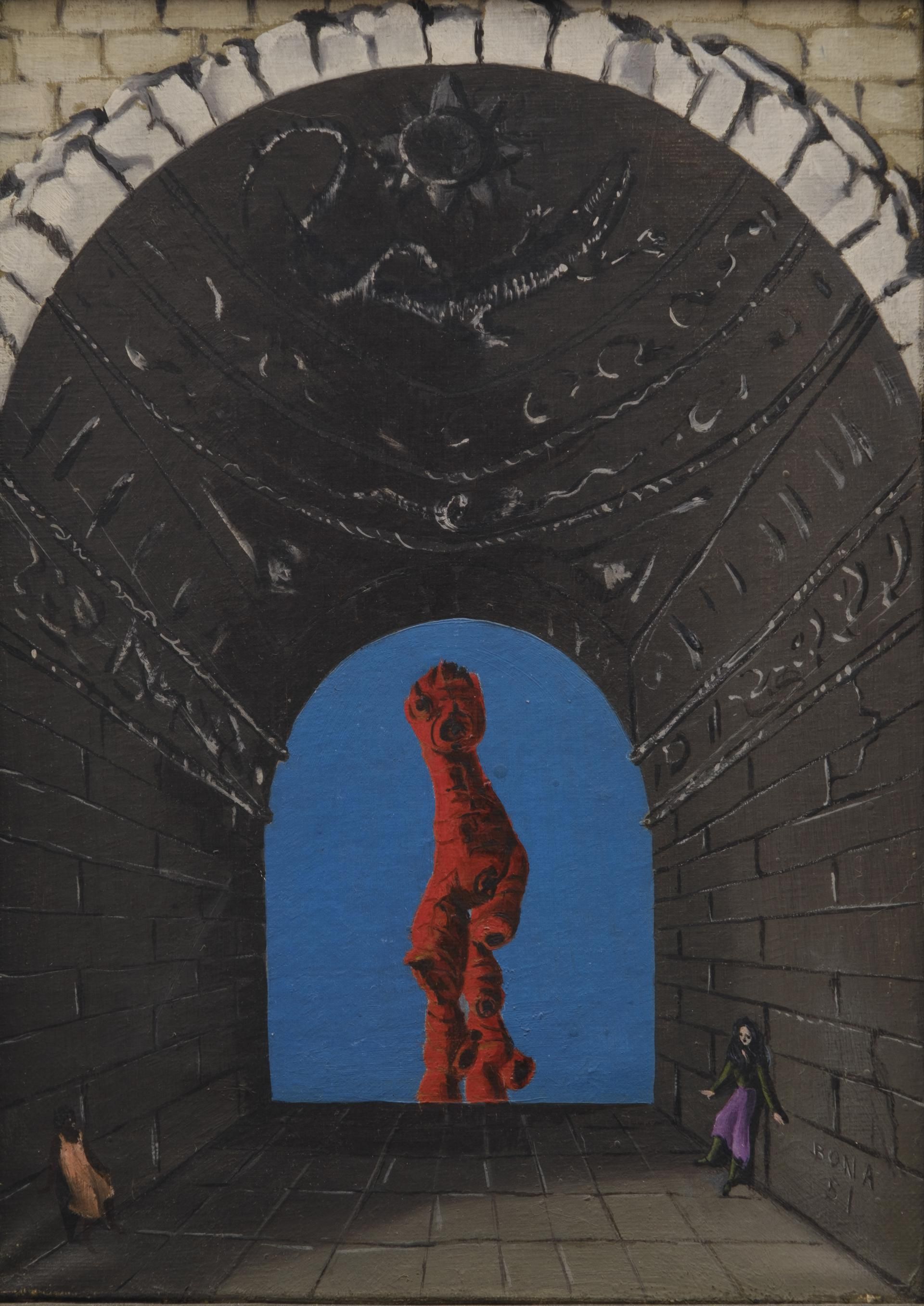
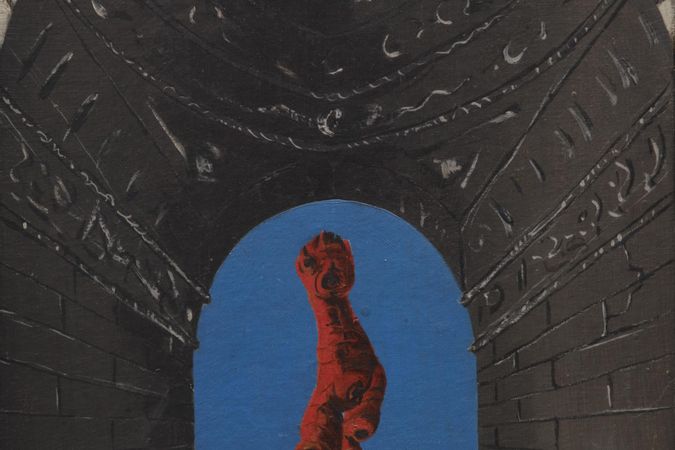
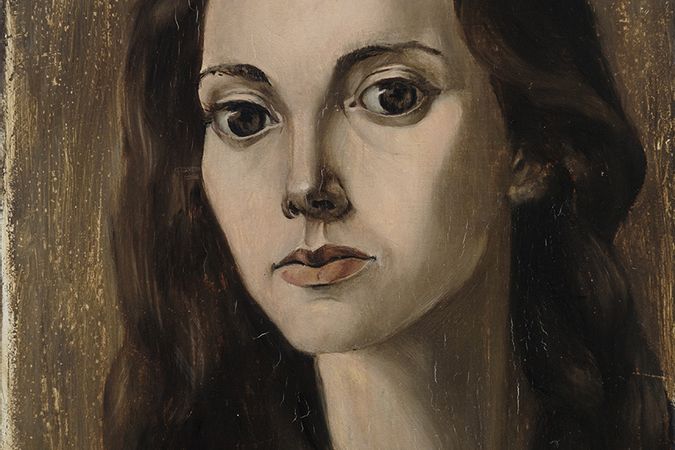
The Nivola Museum is pleased to present the first major retrospective of the surrealist artist Bona de Mandiargues (Rome 1926 - Paris 2000).
Artist and writer, her singular story - never previously reconstructed - makes her, together with figures such as Leonora Carrington, Meret Oppenheim, Dorothea Tanning, Dora Maar or Remedios Varo, one of the protagonists of the panorama of a "feminine" surrealism today finally at the center of the attention of critics and the public.
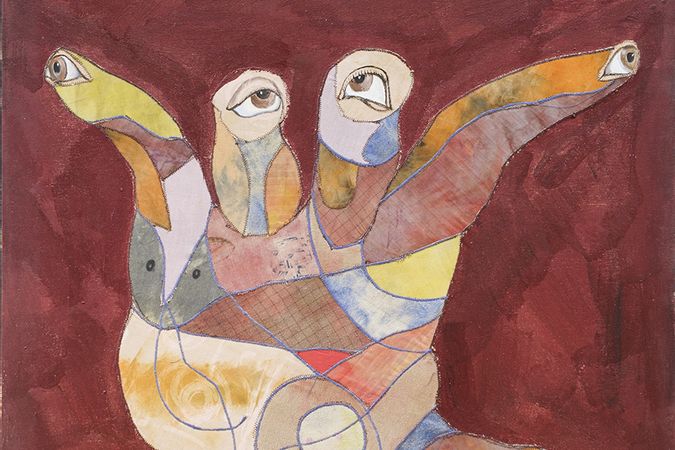
His work springs from a search for himself which finds in the themes of metamorphosis, animal totemism and the fantastic the means to express a divided and fragmented identity. “My research is alchemical - the artist stated - I want to make gold starting from excrement. (...) I remake the world: there they are elsewhere, I see things from further away."
Fascinating woman, much admired and generator of overwhelming passions, Bona explicitly rejects the roles of woman-muse and woman-child, prevalent in Surrealism. Instead, at least since the 1970s, he identifies himself with the snail, a hermaphroditic animal and ambivalent figure, at the same time friendly (think of Pinocchio's blue fairy) and repulsive, the incarnation of the Surrealist formless. For the artist, the snail is a symbol of the androgynous, of fragility and strength, and of the continuous agonizing of his restless mind.
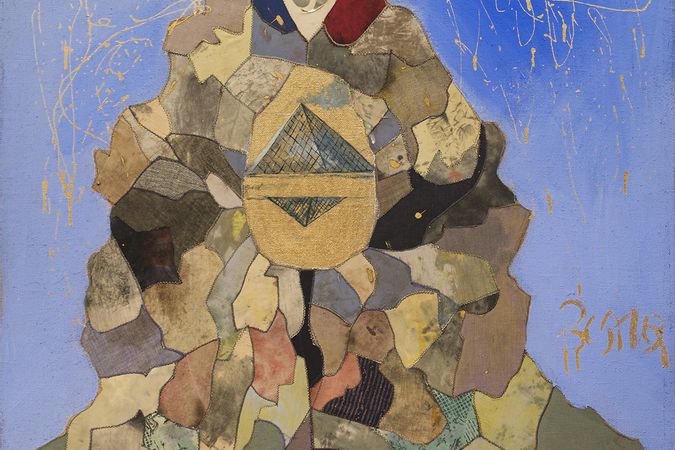
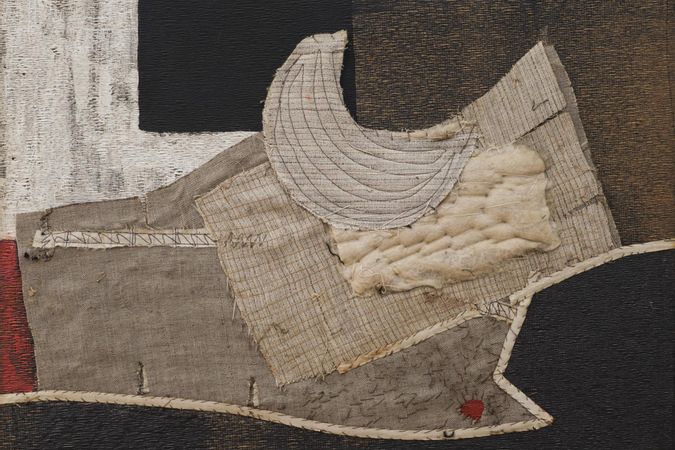
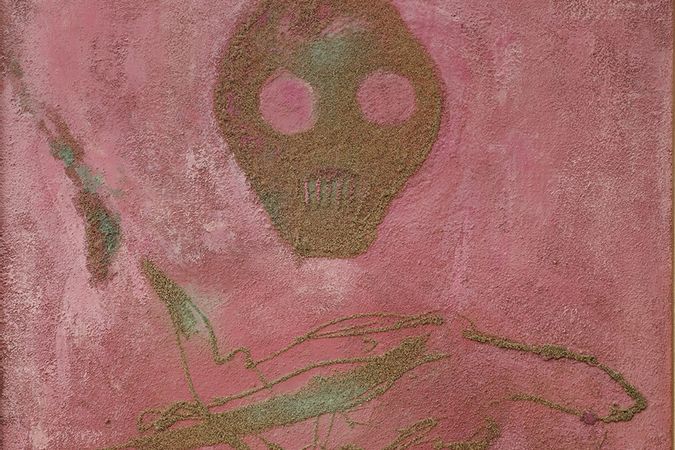
The exhibition, based on extensive archival research, reconstructs the itinerary of Bona de Mandiargues through 7 1 works between 1950 and 1997 , from the collection of the artist's heirs and from private and public collections including the Fondazione Intesa San Paolo, the National Gallery of Modern Art in Rome and the Galleries of Modern and Contemporary Art in Ferrara.
The path, opened by a group of precious paintings that mark the artist's approach to the surrealist imagery, continues with the fantastic fiery landscapes of 1955-56, influenced by a trip to Upper Egypt, and the abstract works with thick pastes and materials from the second half of the fifties to the early sixties, when the suggestion of Mexican culture added new elements to his imagination.

Via Gonare, 2 (Museo Nivola), Orani, Italy
Opening hours
| opens - closes | last entry | |
| monday | 10:30 - 19:30 | |
| tuesday | 10:30 - 19:30 | |
| wednesday | Closed now | |
| thursday | 10:30 - 19:30 | |
| friday | 10:30 - 19:30 | |
| saturday | 10:30 - 19:30 | |
| sunday | 10:30 - 19:30 |