
Piazza Federico II di Svevia 4, Bari, Apulia
Open now from 10:00 to 18:00
Verified profile

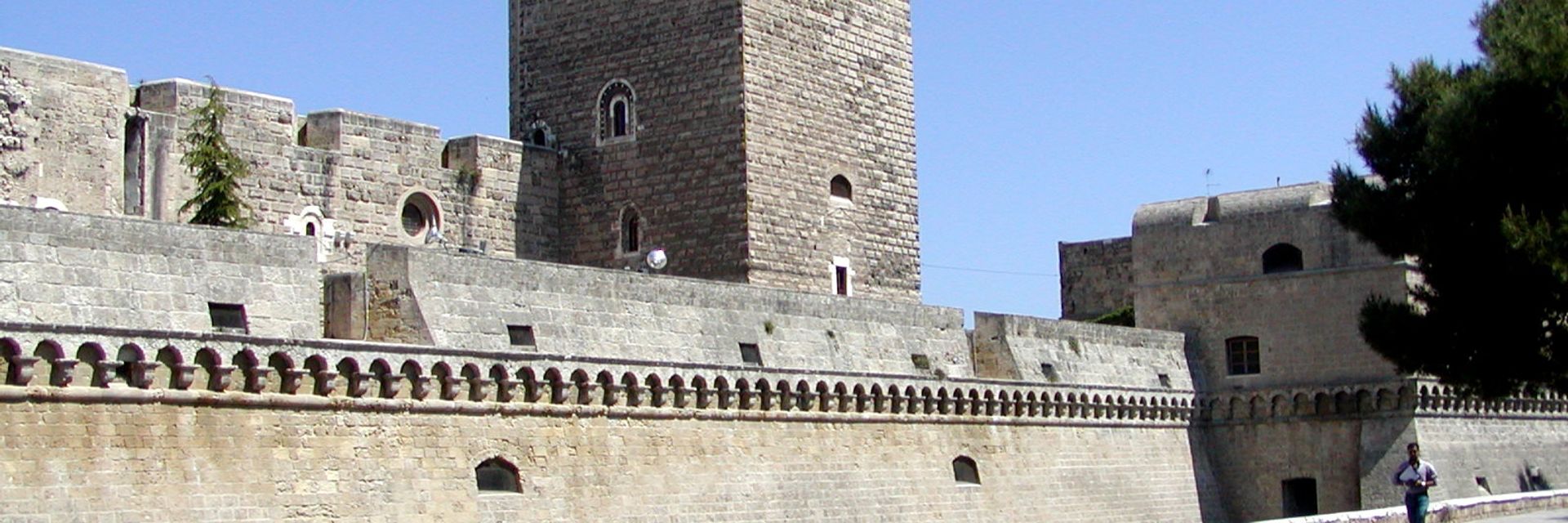
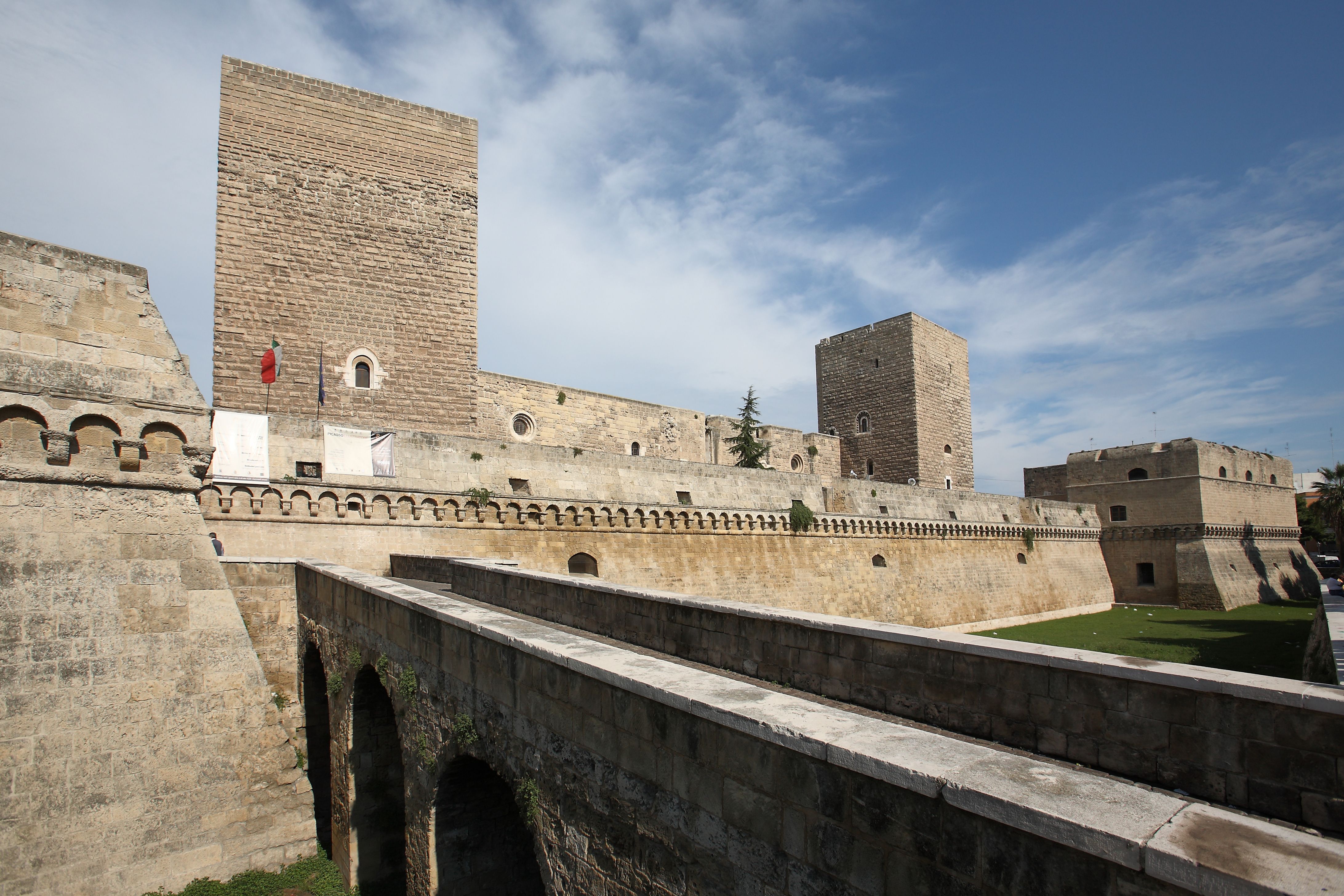
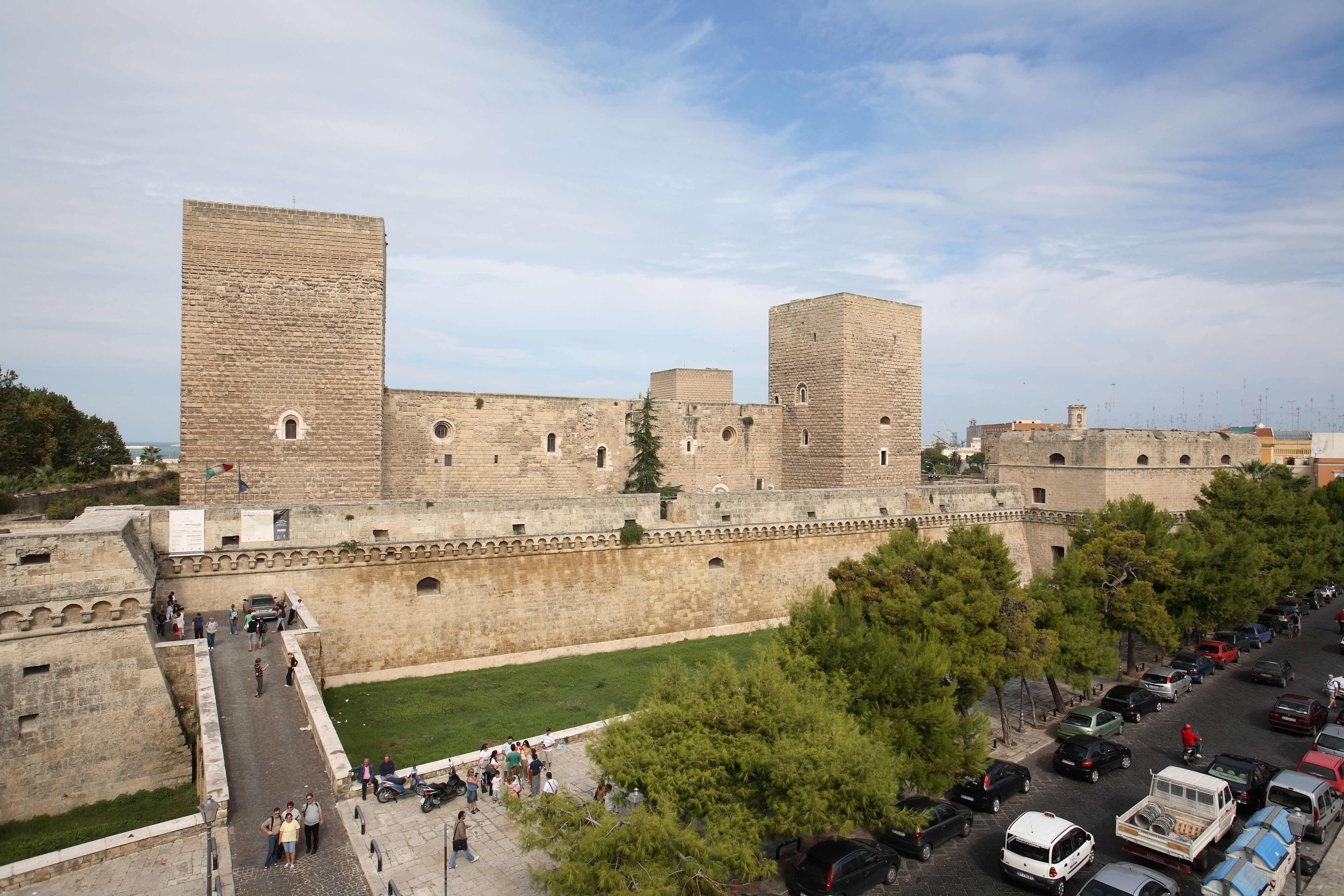
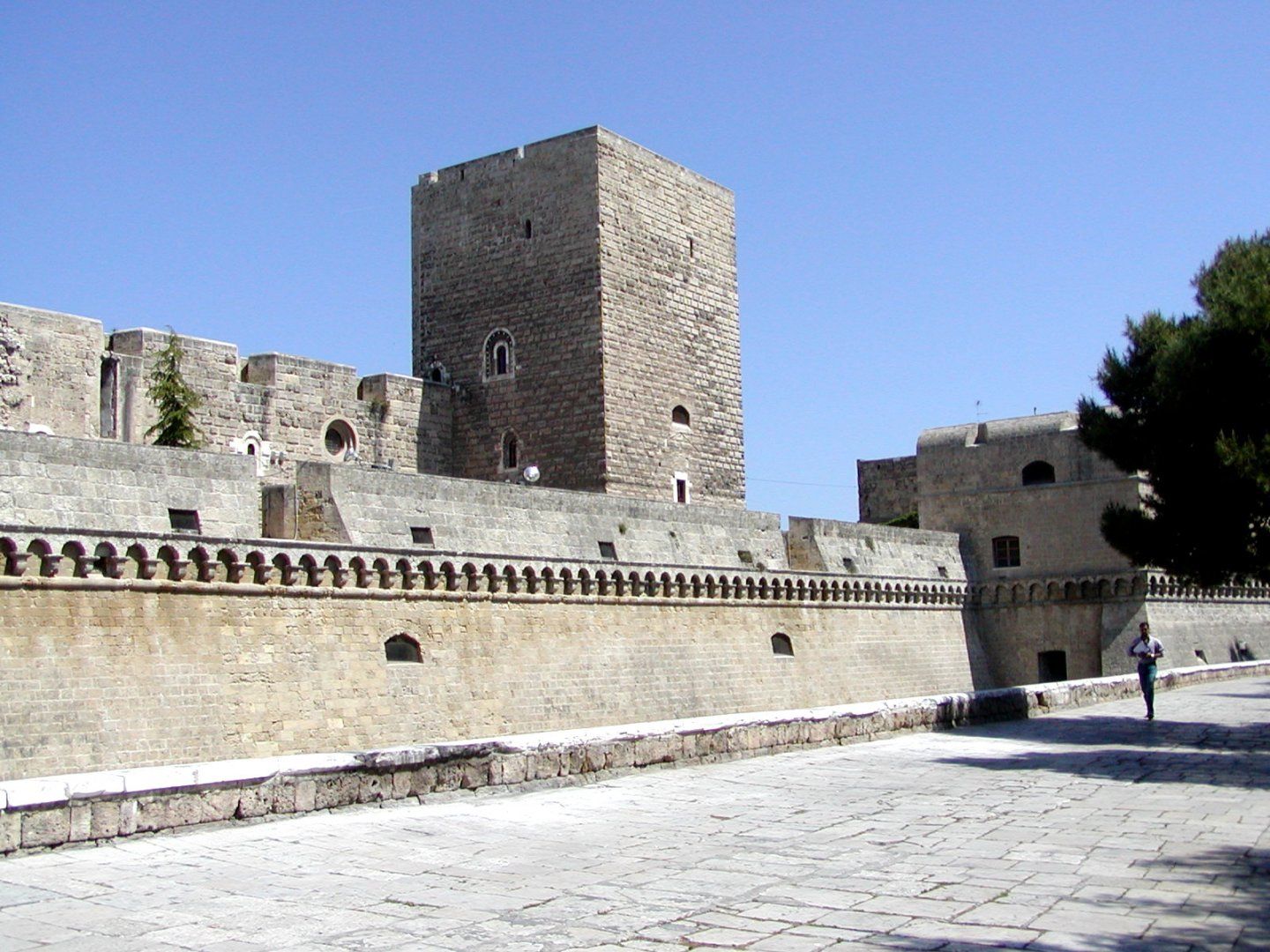
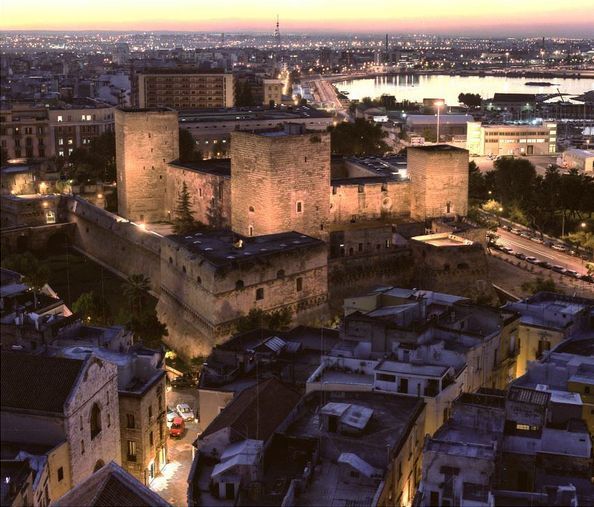
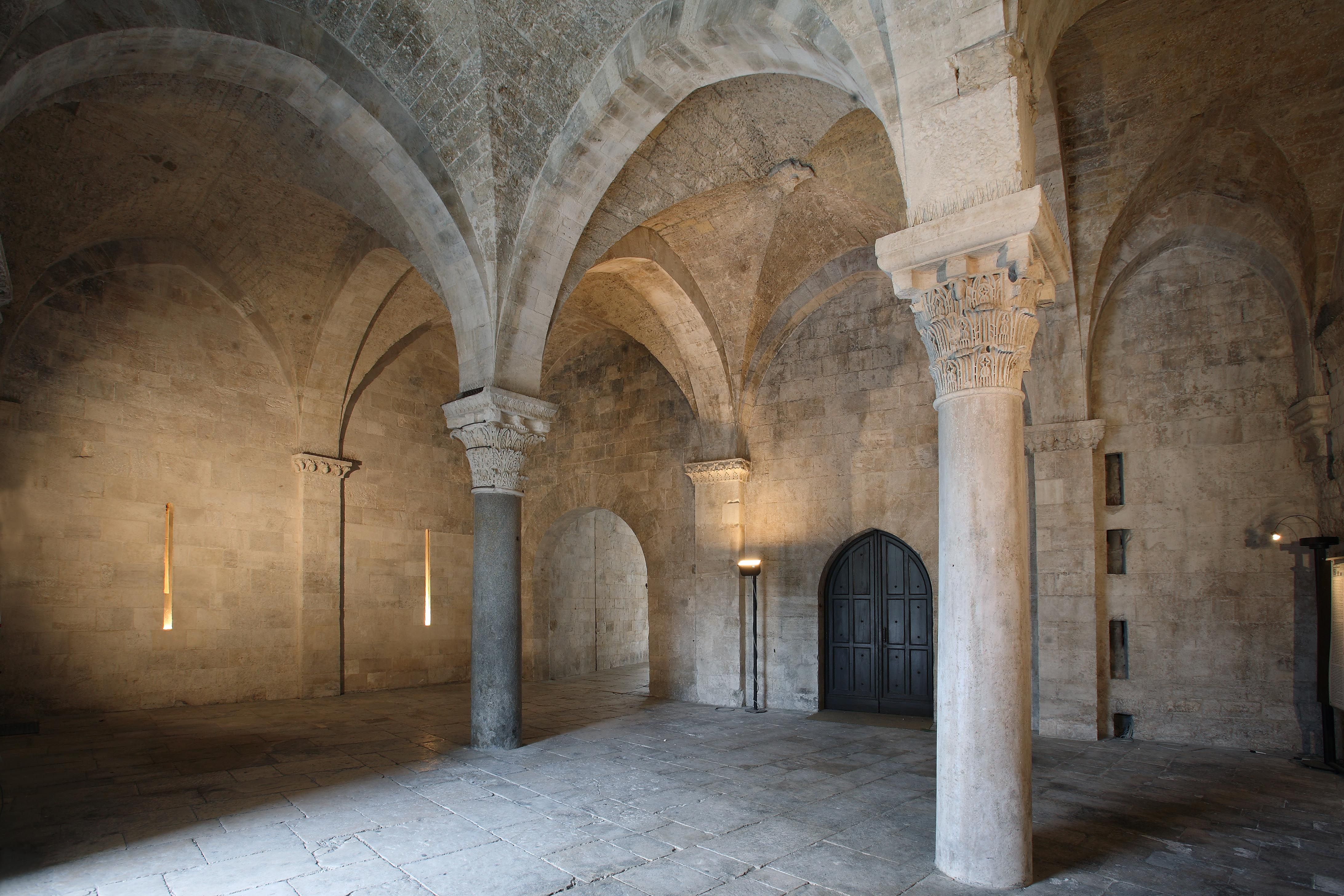
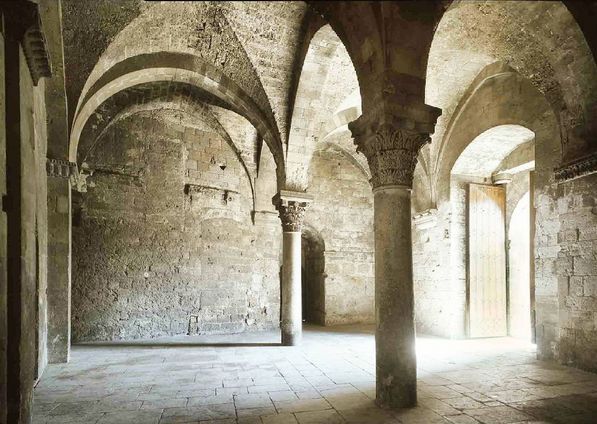
The Swabian Castle of Bari is an imposing fortress dating back to the 13th century, now used as a museum; located on the edge of the historic center, near the port area and the Cathedral, its size represents one of the most important and well-known monuments of the city. Historically attributed to the Norman king Roger II, the Castle was built in 1131 on pre-existing Byzantine residential structures and, after the harsh intervention of William I the Bad, it was recovered by Frederick II of Swabia between 1233 and 1240. In the second half of the 13th century, Charles of Anjou carried out a restoration program aimed at strengthening the north wing of the Castle, which was directly touched by the sea at that time. In the 16th century, Isabella of Aragon and her daughter Bona Sforza radically transformed the Castle, adapting it to the development of heavy artillery by building a powerful bastioned wall around the Norman-Swabian core. In the following centuries, especially during the Bourbon domination, the Castle underwent substantial neglect, becoming first a prison and then a barracks. Only in 1937 it became the seat of the Superintendence for Monuments and Galleries of Apulia and Basilicata.
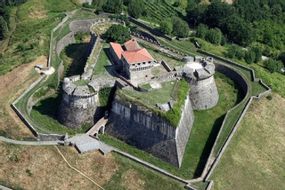
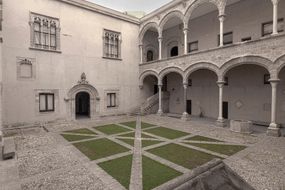
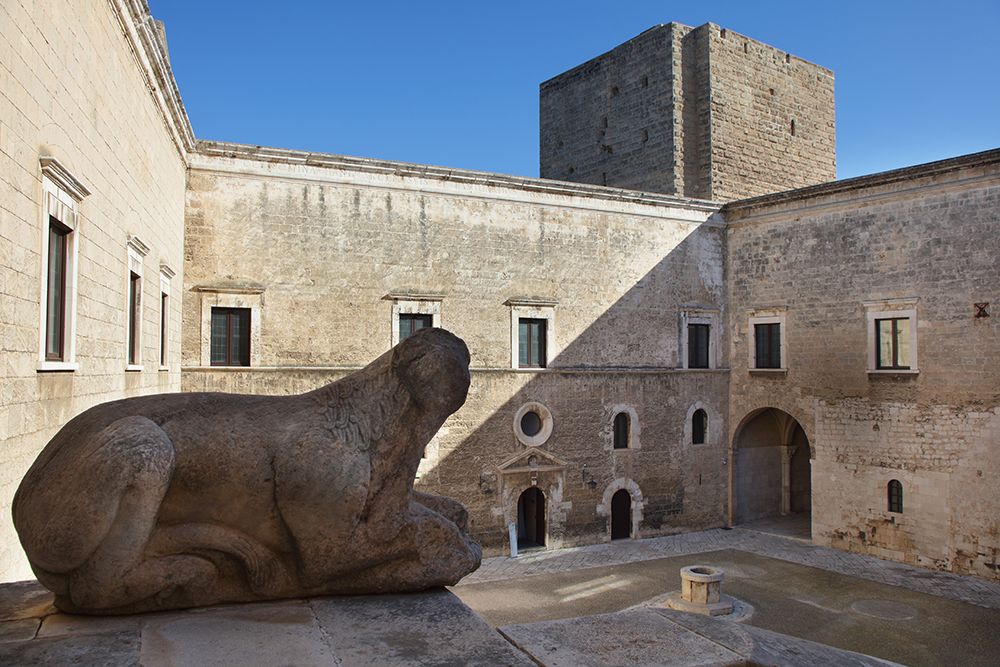
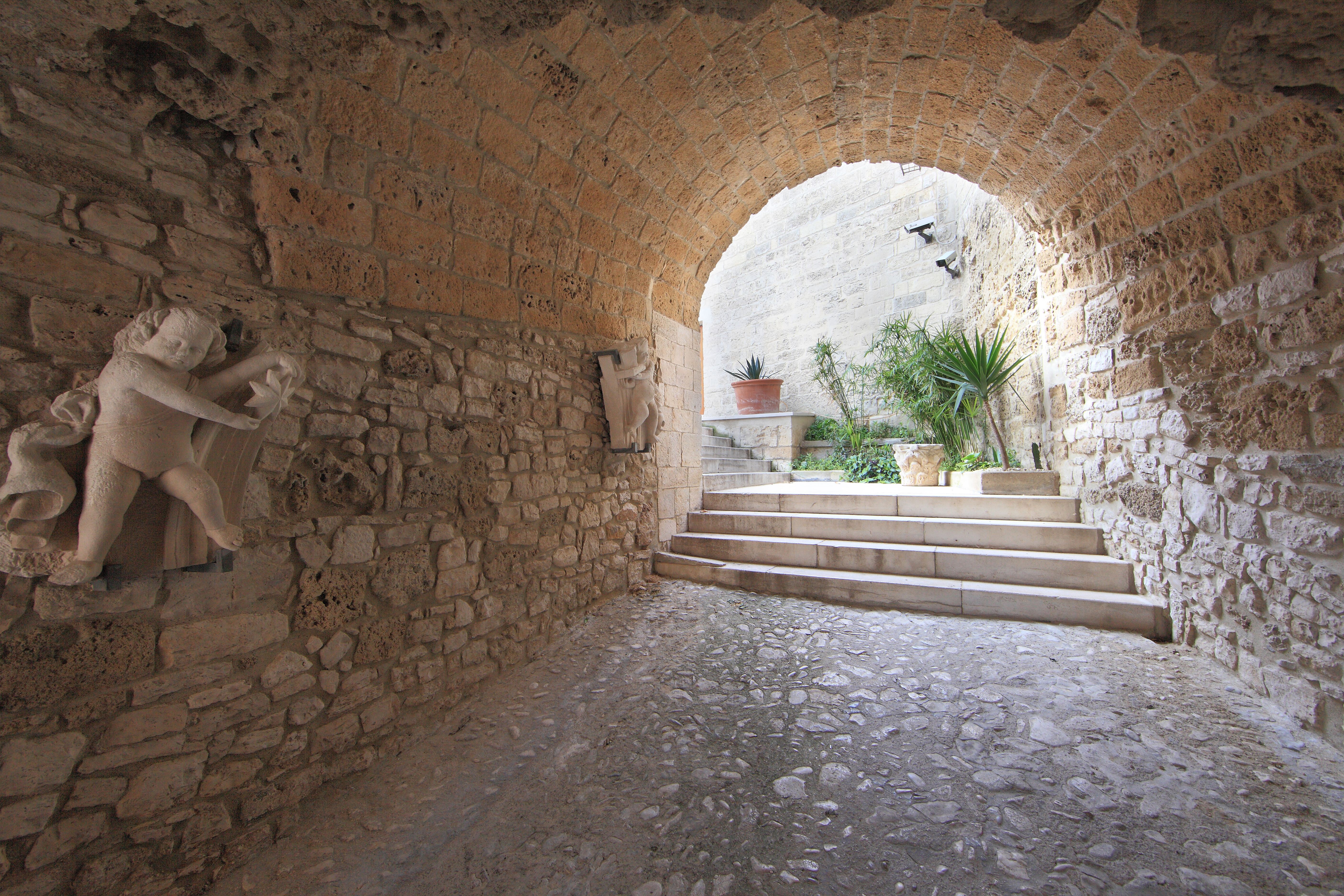
The Norman-Swabian core has a trapezoidal plan, with a central courtyard and three high angular towers with strong rustication. Passing the southwestern tower, called the Minors' Tower because it housed the prison section in the 19th century, you will find the original entrance, the Frederickian portal that leads into the central courtyard. Today, three halls and a small chapel with classic forms overlook this courtyard. In the 16th century, the Aragonese duchesses carried out a radical transformation of the complex. Inside, the Castle takes on the appearance of a Renaissance residence, with an elegant and dramatic double staircase connecting the ground floor to the grand halls of the noble floor.
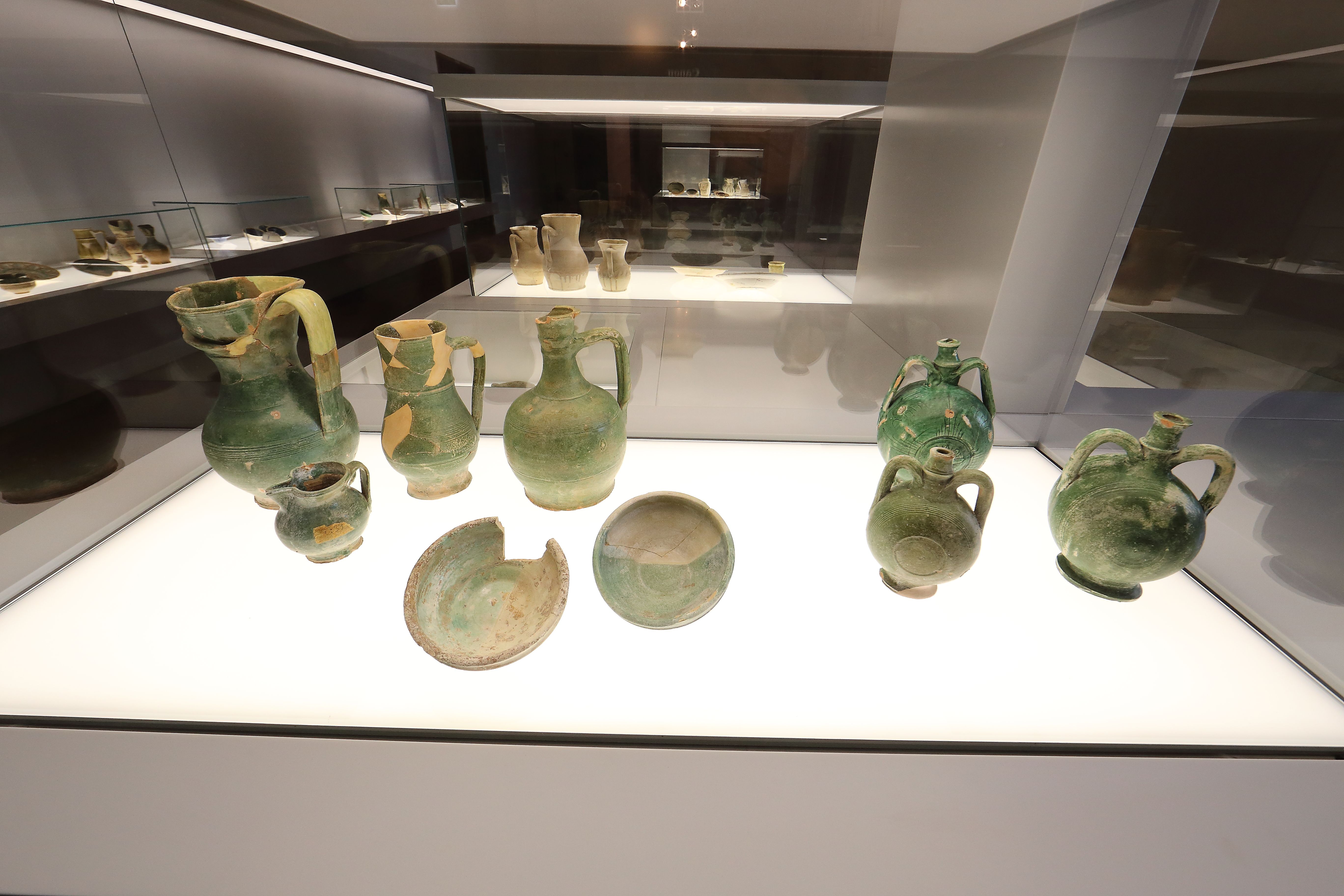
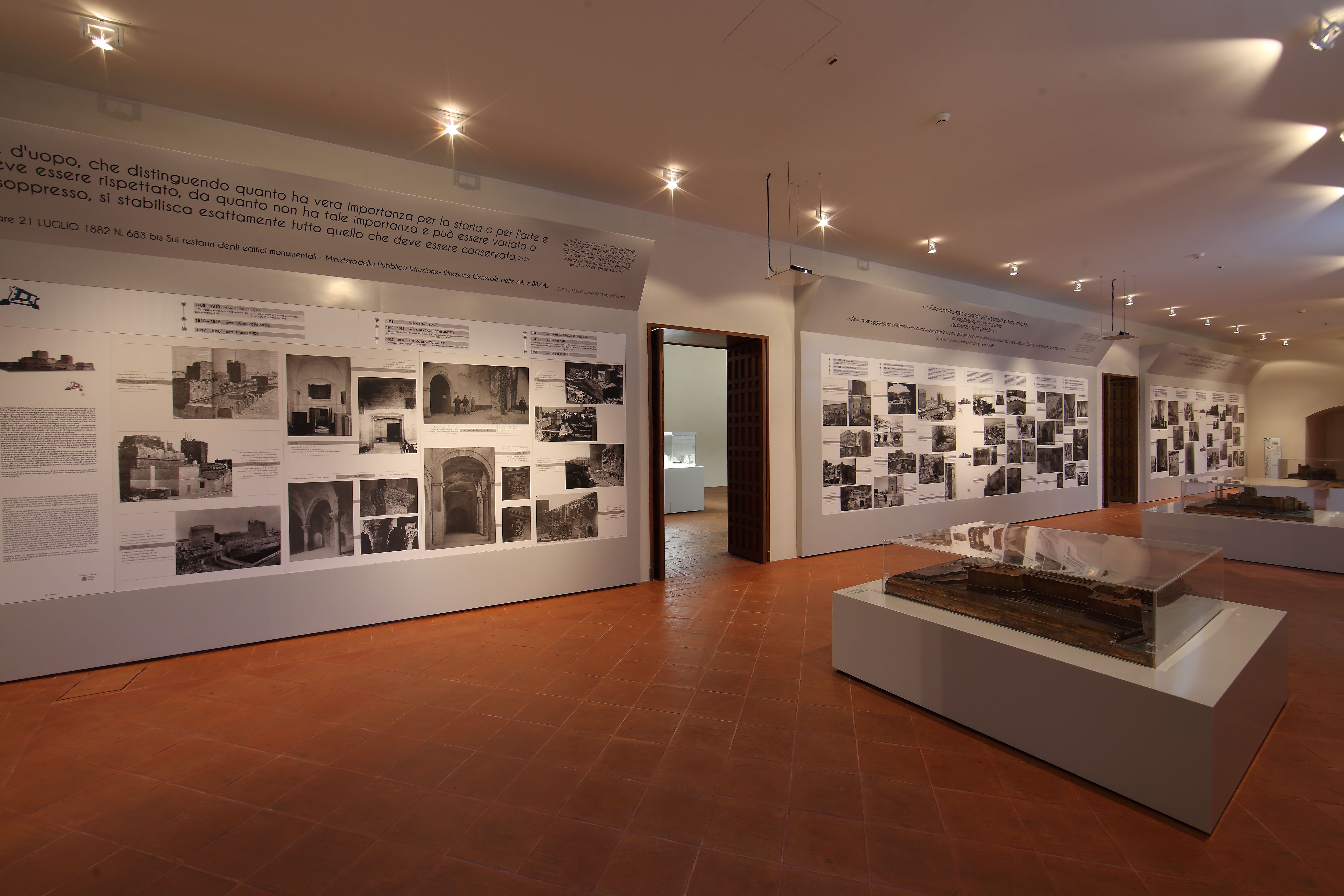
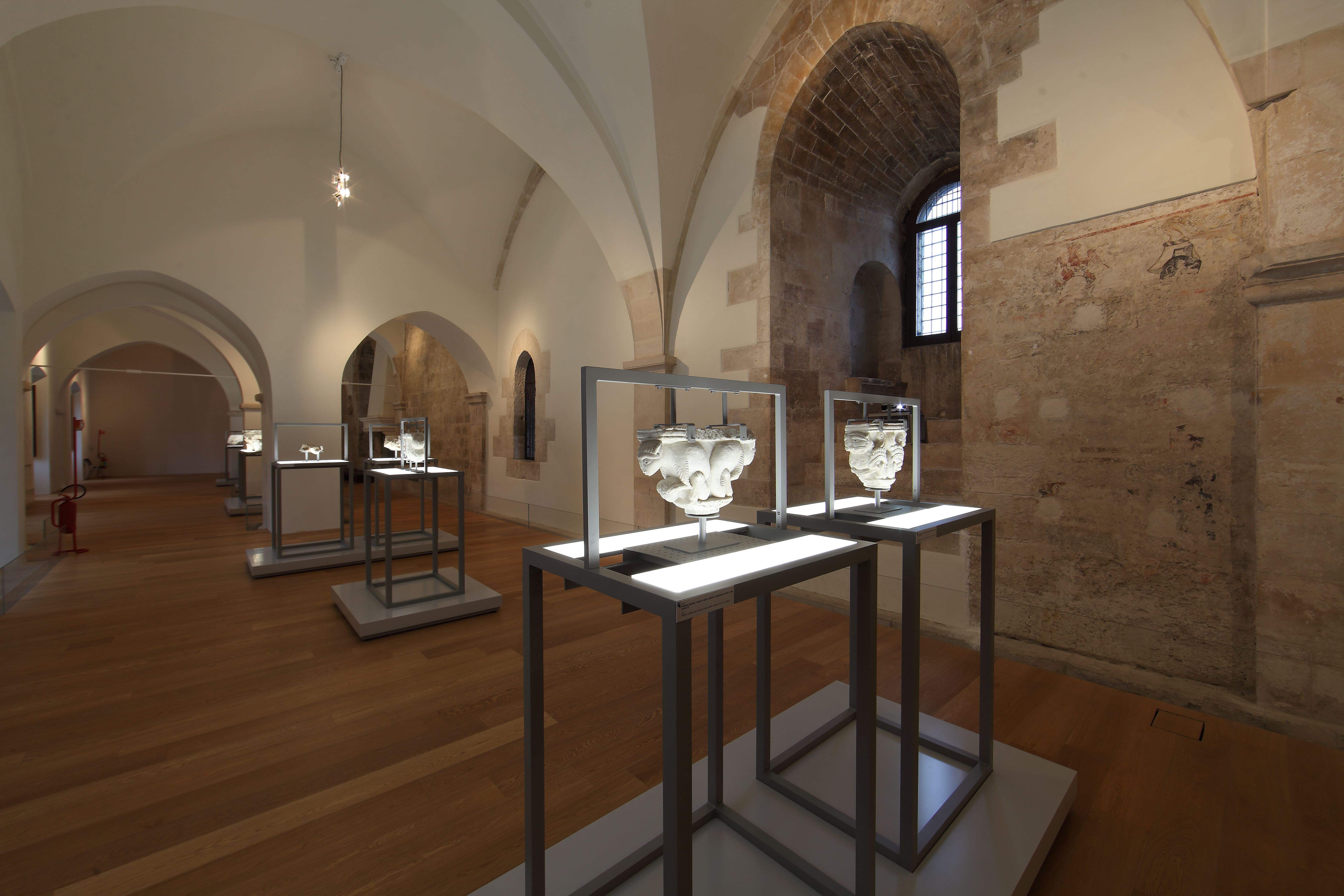
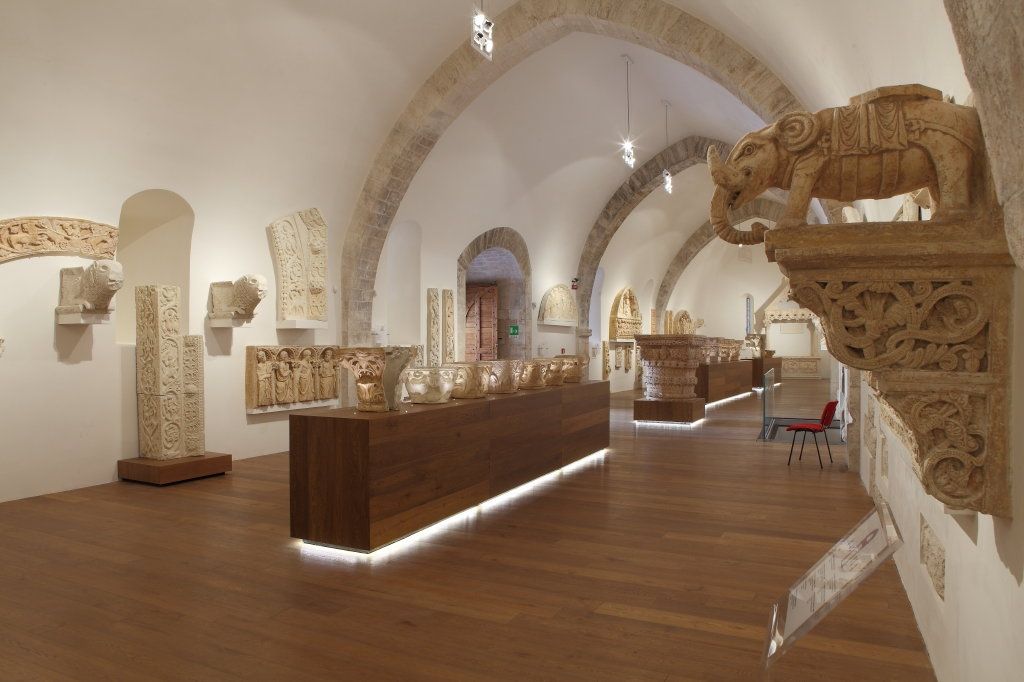
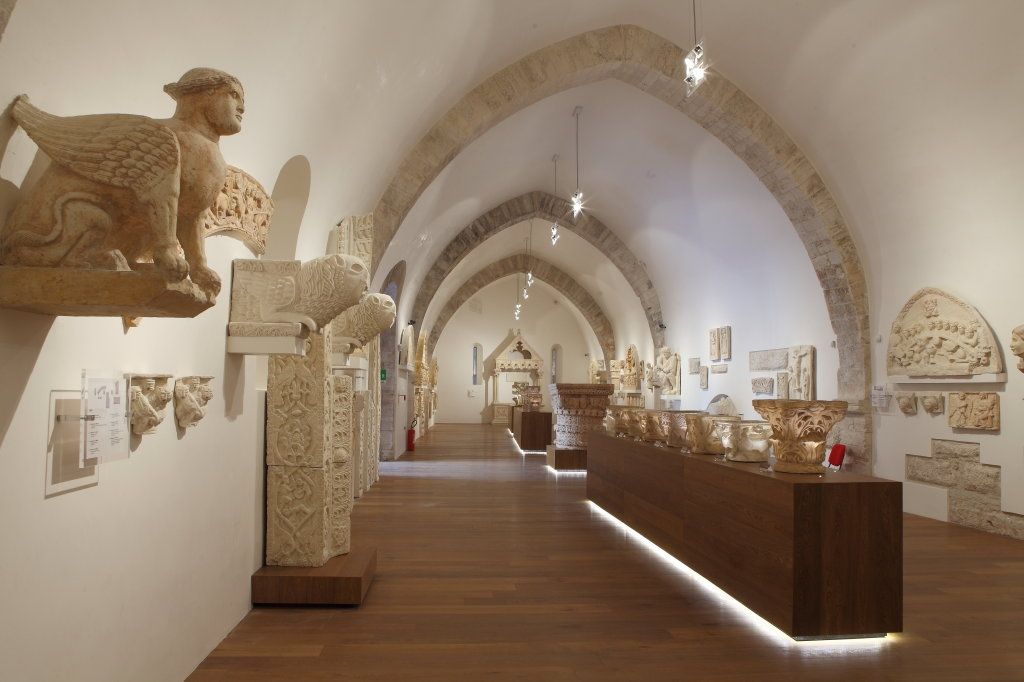
In the rooms of the west wing on the ground floor of the Castle, the Gypsum Gallery is housed, a collection of plaster reproductions of the most important sculptural apparatuses of the Puglia region's monuments and cathedrals made in 1911 by the sculptors Pasquale Duretti and Mario Sabatelli. Also on the ground floor, there are two small areas of archaeological excavation, where pre-existing Byzantine structures are visible. In the Aragonese Hall, there is a permanent photographic exhibition on the history of the restorations and functional recovery of the Castle carried out during the 20th century. In the Angevin Hall, the archaeological collection of ceramics from the excavation of the Castle's butto is exhibited, dating back to the 15th and 18th centuries. In the Norman Hall, erratic stone materials are displayed, while the small room on the first level of the Minors' Tower houses precious materials. The two largest spaces on the noble floor, the Bona Sforza Hall and the Federico II Hall, are intended to host temporary exhibitions and cultural events.

Piazza Federico II di Svevia 4, Bari, Italy
Opening hours
| opens - closes | last entry | |
| monday | Closed now | |
| tuesday | 10:00 - 18:00 | |
| wednesday | 10:00 - 18:00 | |
| thursday | 10:00 - 18:00 | |
| friday | 10:00 - 18:00 | |
| saturday | 10:00 - 18:00 | |
| sunday | 10:00 - 18:00 |