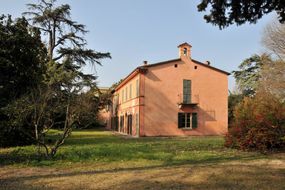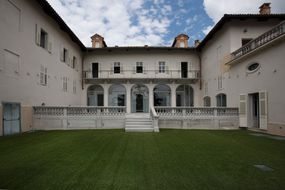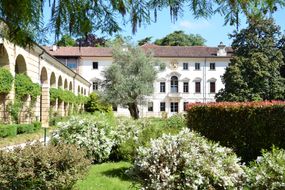
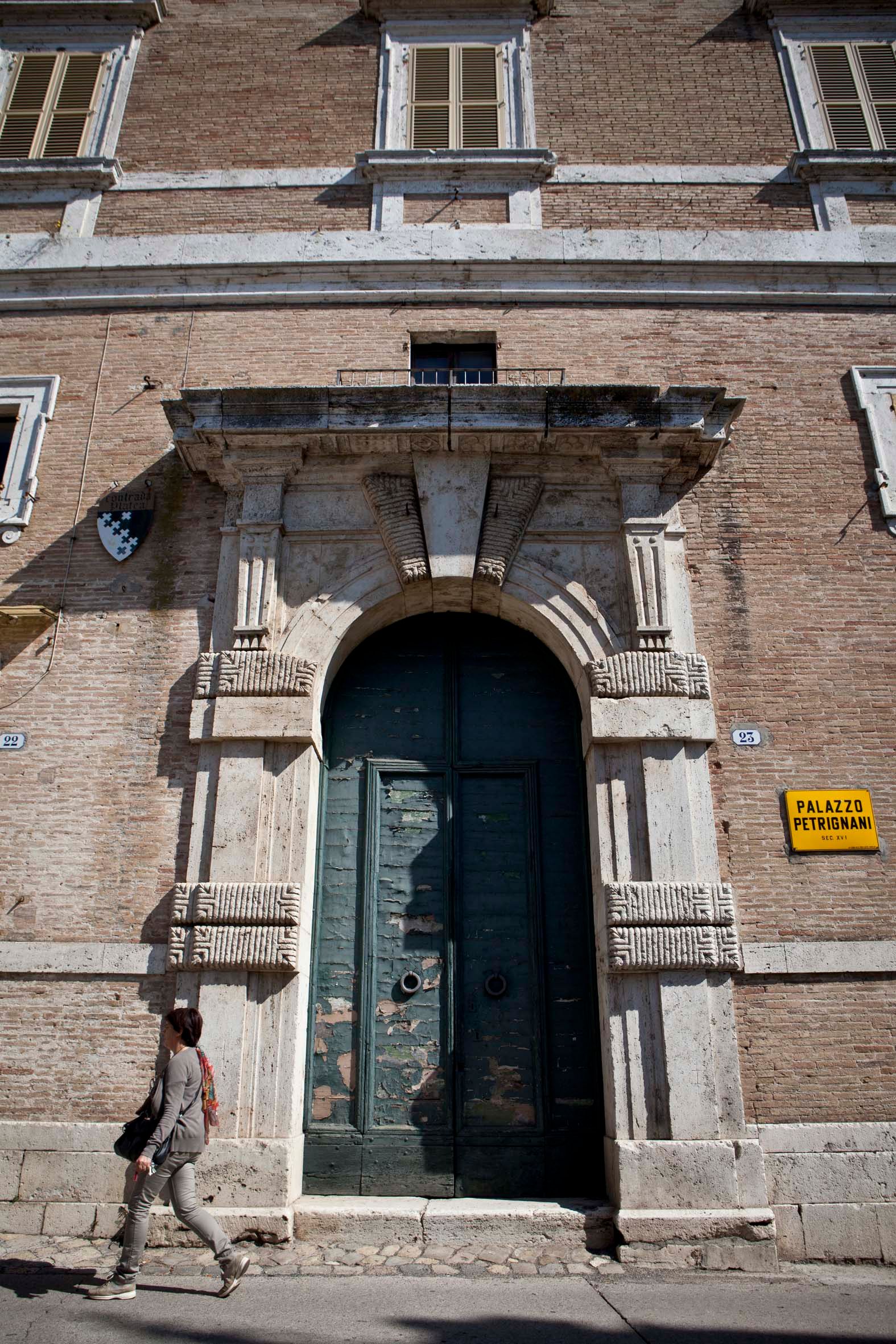
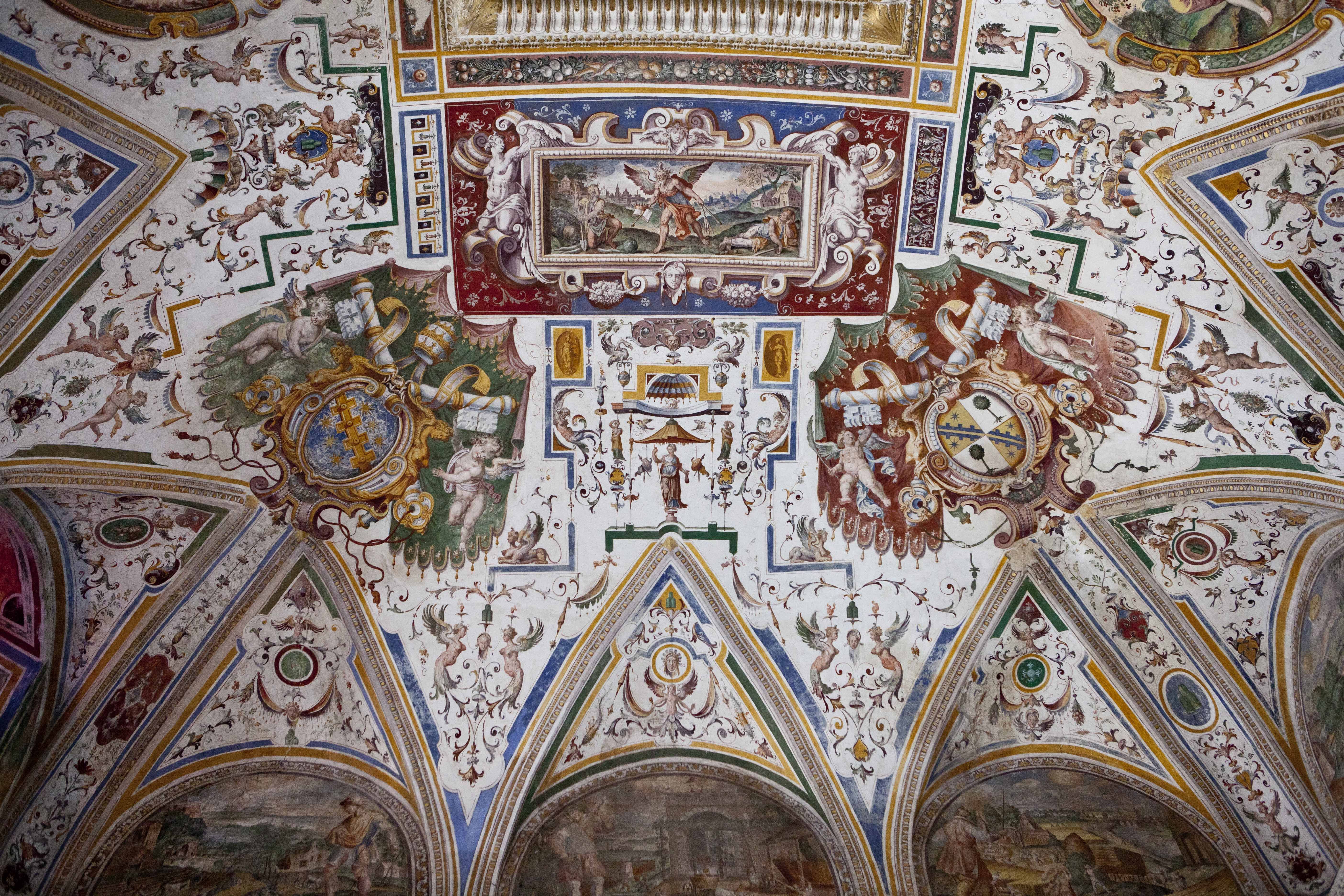
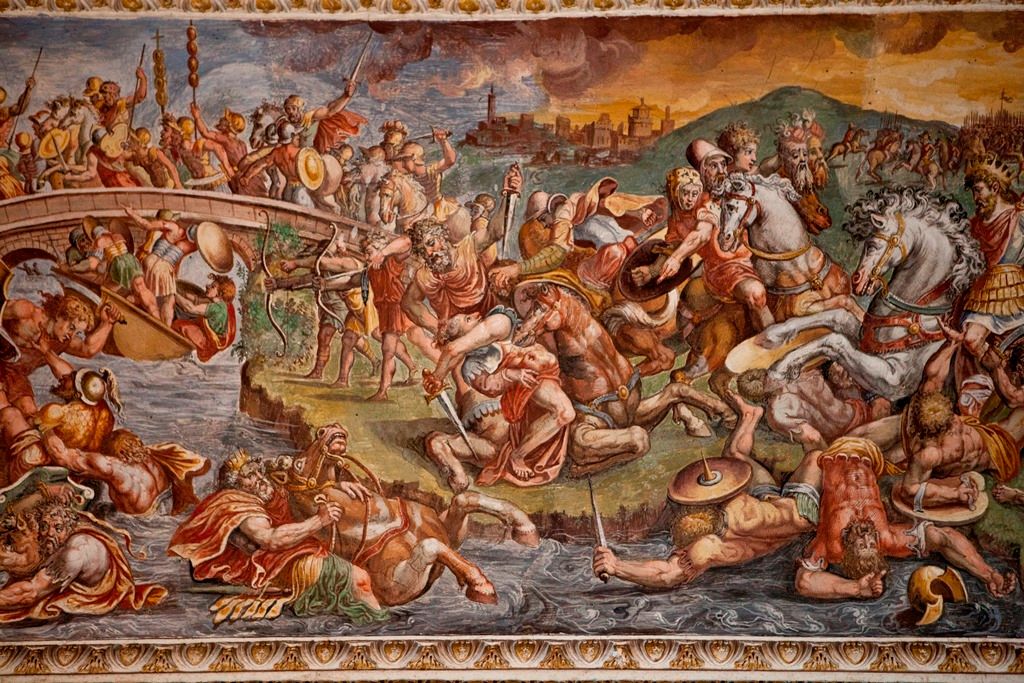
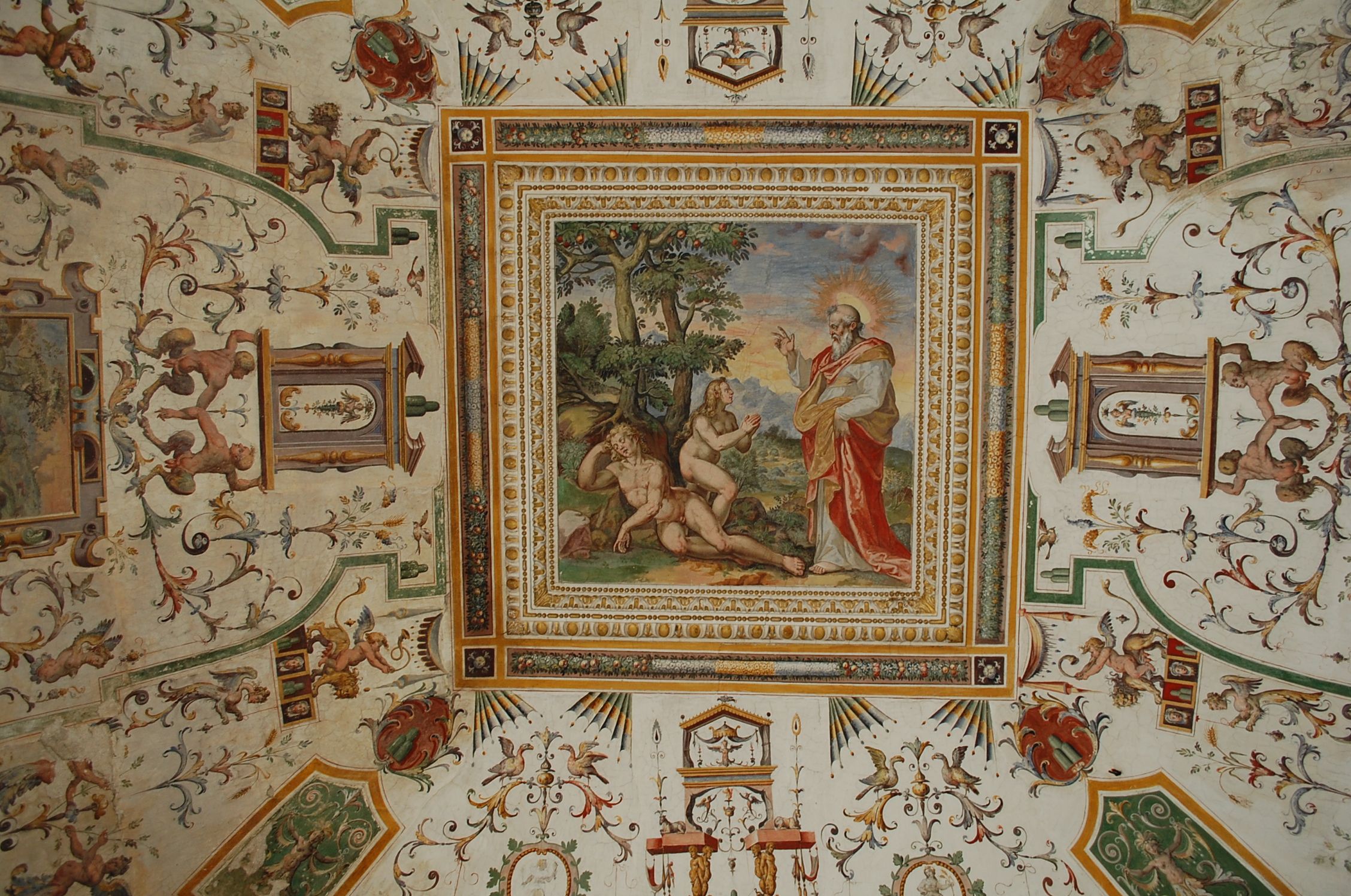
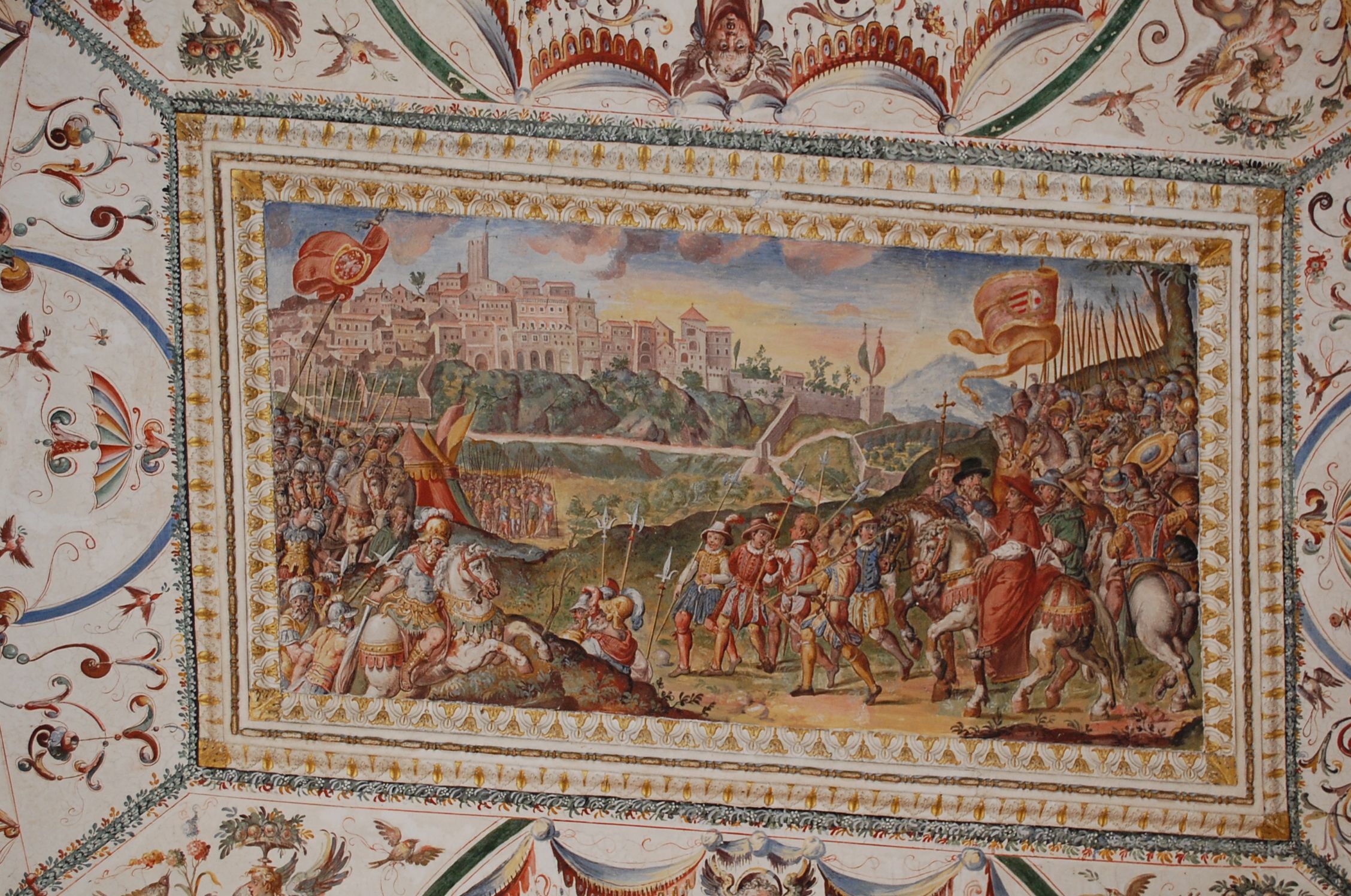

An interesting example of late Renaissance style construction, Palazzo Petrignani stands on the ancient Platea Major with its imposing facade. Here opens what must have been the main entrance, never completed.
The palace was erected in 1571, based on a project by the architect Ottaviano Mascarino, by the will of Bartolomeo Petrignani, but completed thanks to the funding of his brother Fantino, who was archbishop of Cosenza, butler of Pope Gregory XIII, deputy legate of Bologna, nuncio to Naples. and one of the protectors of the young Caravaggio.
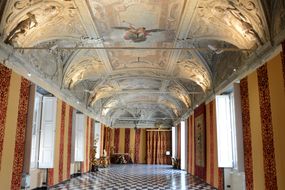
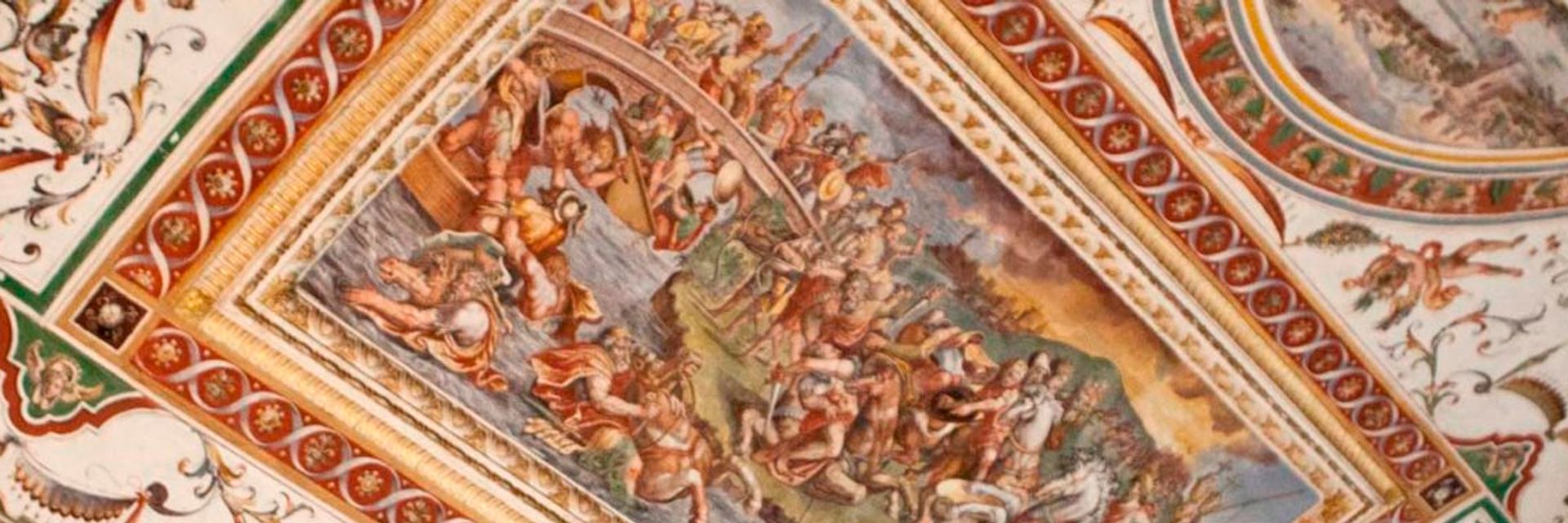
The stylistic character of the frescoes and the sequence of the internal decorations led, for a long time, to attribute the pictorial works to the Zuccari school (Taddeo and Federico). On the other hand, the attribution to Tarquinio Racani, an Amerine painter who painted frescoes in other palaces and churches in the city, seems more pertinent.

Piazza A. Vera, 10, Amelia, Italy
Opening hours
| opens - closes | last entry | |
| monday | Closed now | |
| tuesday | 10:00 - 18:00 | |
| wednesday | 10:00 - 18:00 | |
| thursday | 10:00 - 18:00 | |
| friday | 10:00 - 18:00 | |
| saturday | 10:00 - 18:00 | |
| sunday | 10:00 - 18:00 |